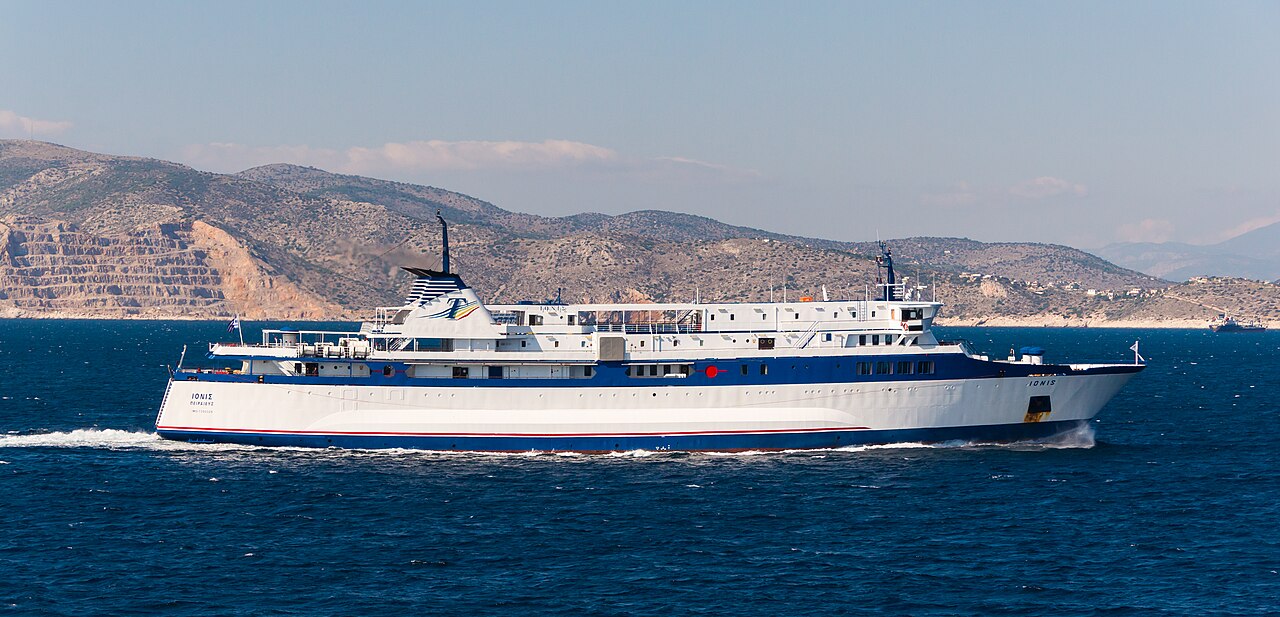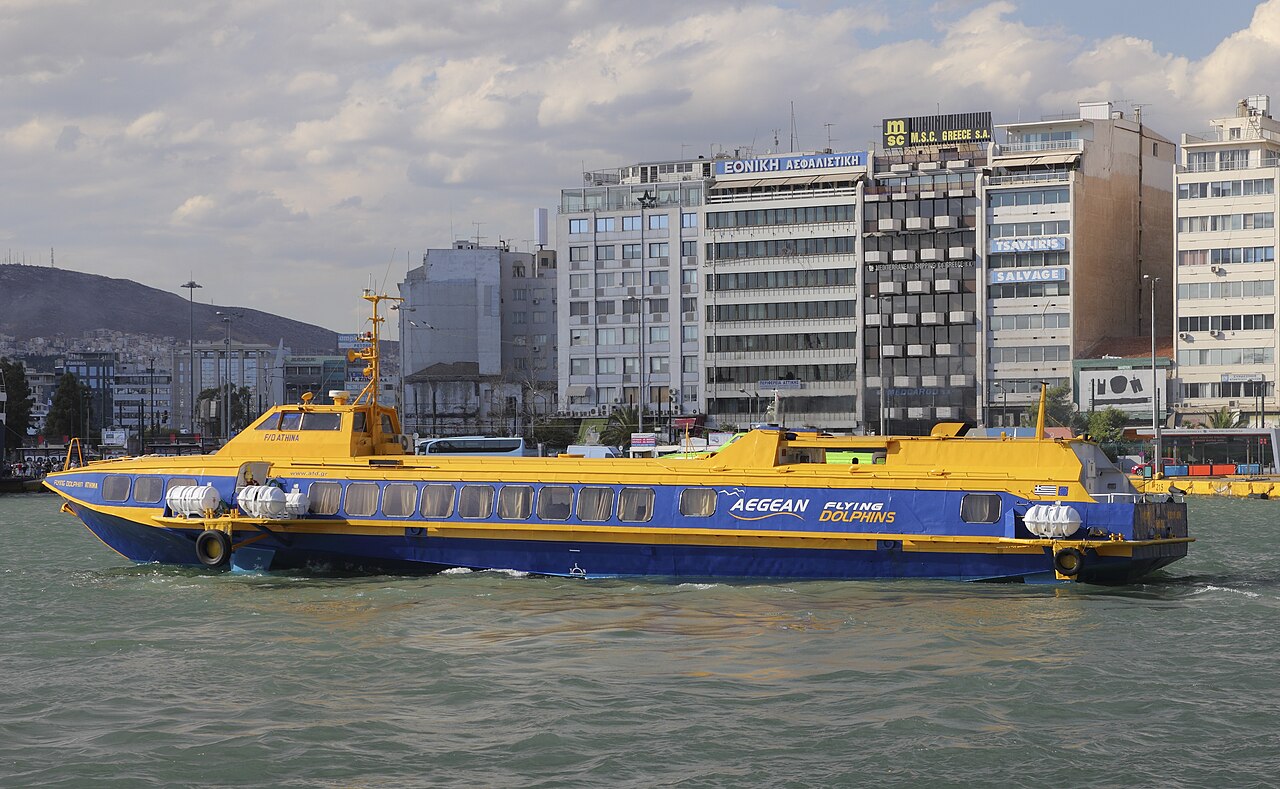
Greek seafarers’ unions will stage a nationwide 24-hour strike on Wednesday, November 25, from 00:01 to midnight, disrupting scheduled ferry and shipping services across the country, according to union announcements reported by Greek media on November 23.
The Panhellenic Union of Merchant Marine Engineers (PEMEN) and the Union of Lower-Ranking Engine Crew Members O STEFENSON have called the stoppage covering all categories of vessels, while the Panhellenic Seamen’s Federation (PENEN) has announced a separate 24-hour action for its members in Attica’s ports and on Adriatic-route vessels. Vessels covered by the industrial action are not expected to operate during the strike window.
Wage and Safety Demands
The unions are demanding a unified collective labour agreement and a 12 percent increase in wages, allowances and additional payments, alongside full compliance with existing collective agreement provisions, timely notification of crew work schedules and adherence to rest-hour rules under the International Maritime Labour Convention.
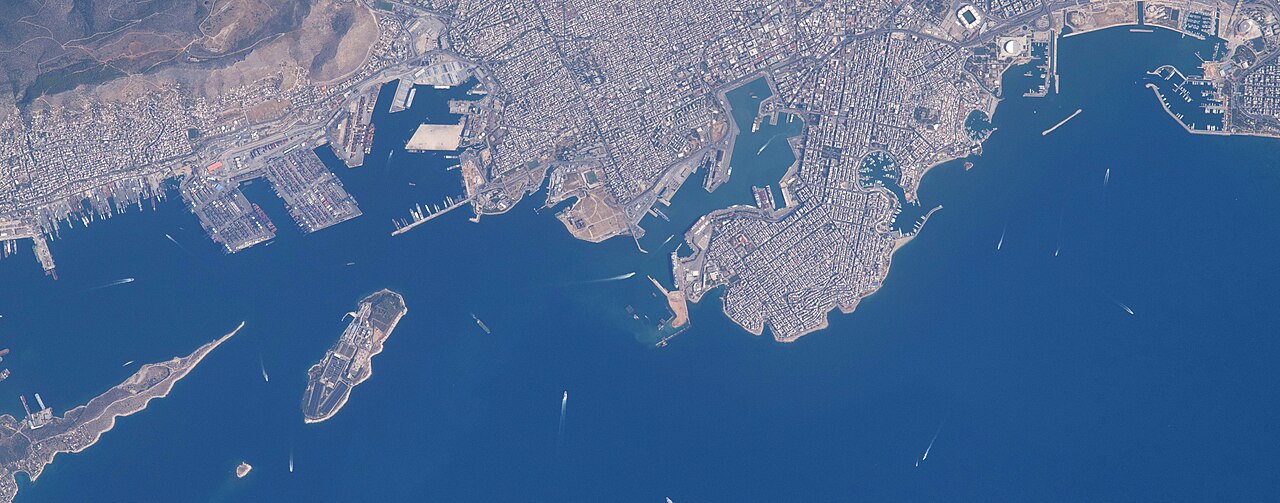
PEMEN has also raised operational safety concerns, calling for adequate tugboat staffing across all shifts and opposing voyages exceeding 12 hours when crews work a single shift. The demands echo grievances raised in a similar 24-hour strike called on October 30 by Greek maritime unions, when workers at Piraeus, Rafina, Lavrio, Patras, Igoumenitsa and Elefsina sought recognition of high-risk maritime zones as war areas and a seven-hour working day.
Ferry Operators Adjust Schedules
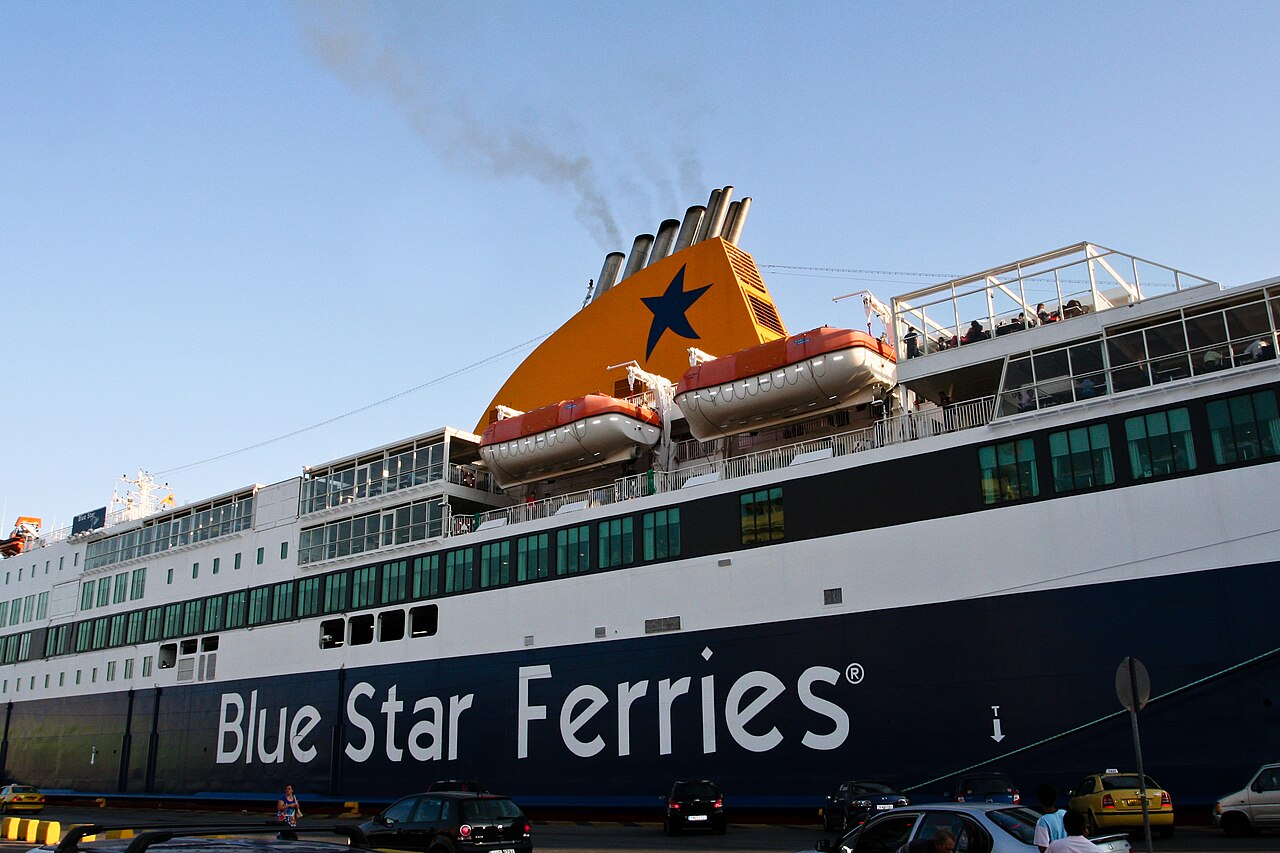
Ferry operators have begun revising departure and arrival times to limit disruption for passengers. Minoan Lines and ANEK Lines, among others serving Crete, have shifted sailings on routes connecting Piraeus with Milos, Heraklion and Chania to times outside the strike window, with vessels scheduled to depart late on November 25 evening to arrive the following morning.
Ships covered by the strike are expected to remain docked for the full 24-hour period, consistent with the pattern seen in the October 30 action, when vessels at several major Greek ports stayed in port and shipping companies were forced to reschedule trips. The Rio-Antirrio ferry service, a key link between mainland Greece, was similarly affected in the earlier stoppage.
Pattern of Recurring Labor Action
Wednesday’s planned strike is the latest in a series of labour actions by Greek maritime unions in 2026, reflecting sustained pressure over pay that has not kept pace with living costs despite economic growth outpacing other eurozone economies. Earlier in the year, seafarers also staged a separate 24-hour strike in March to demand the return of crews stranded aboard commercial vessels in the Strait of Hormuz amid the widening Middle East conflict, with more than 325 Greek-owned or managed ships then operating in the wider Gulf area.
Greece operates one of the world’s largest domestic ferry networks, serving island communities with limited or no air connectivity, making coastal shipping strikes acutely disruptive for travelers and freight movement alike. The Athens metro has also scheduled partial work stoppages on the same day, while decisions on bus, trolleybus, tram and electric railway service were still pending as of the latest reports.
Why it matters
A nationwide stoppage covering all vessel categories disrupts both passenger ferry links to Greek islands reliant on sea transport and broader coastal cargo movement, exposing recurring friction between seafarer pay demands and shipping company contracts. The recurrence of such strikes in 2026, following similar actions in October and March, underscores unresolved tension over collective labour agreements, crew safety during periods of regional maritime conflict, and wage growth in a sector central to Greece’s economy and its global shipping industry.
Source: Greek City Times