A suspected Ukrainian sea drone attack struck a Russian navy corvette docked at the Benghazi Naval Base in eastern Libya on November 22, triggering an explosion and fire that Libyan military officials said severely damaged or capsized the vessel. Ten people, including Russian and Libyan nationals, were injured in the strike and received treatment in Benghazi.
Hours later, a separate sea drone struck a Maltese-flagged commercial vessel off the Benghazi coast, with Libyan naval forces rescuing the crew. Libyan naval and air forces said they intercepted more than 20 explosive-laden drone boats off Benghazi that evening, as the eastern-based Libyan government condemned the incidents as a violation of its sovereignty and a threat to maritime security.
Corvette Merkury Damaged in Naval Base Strike
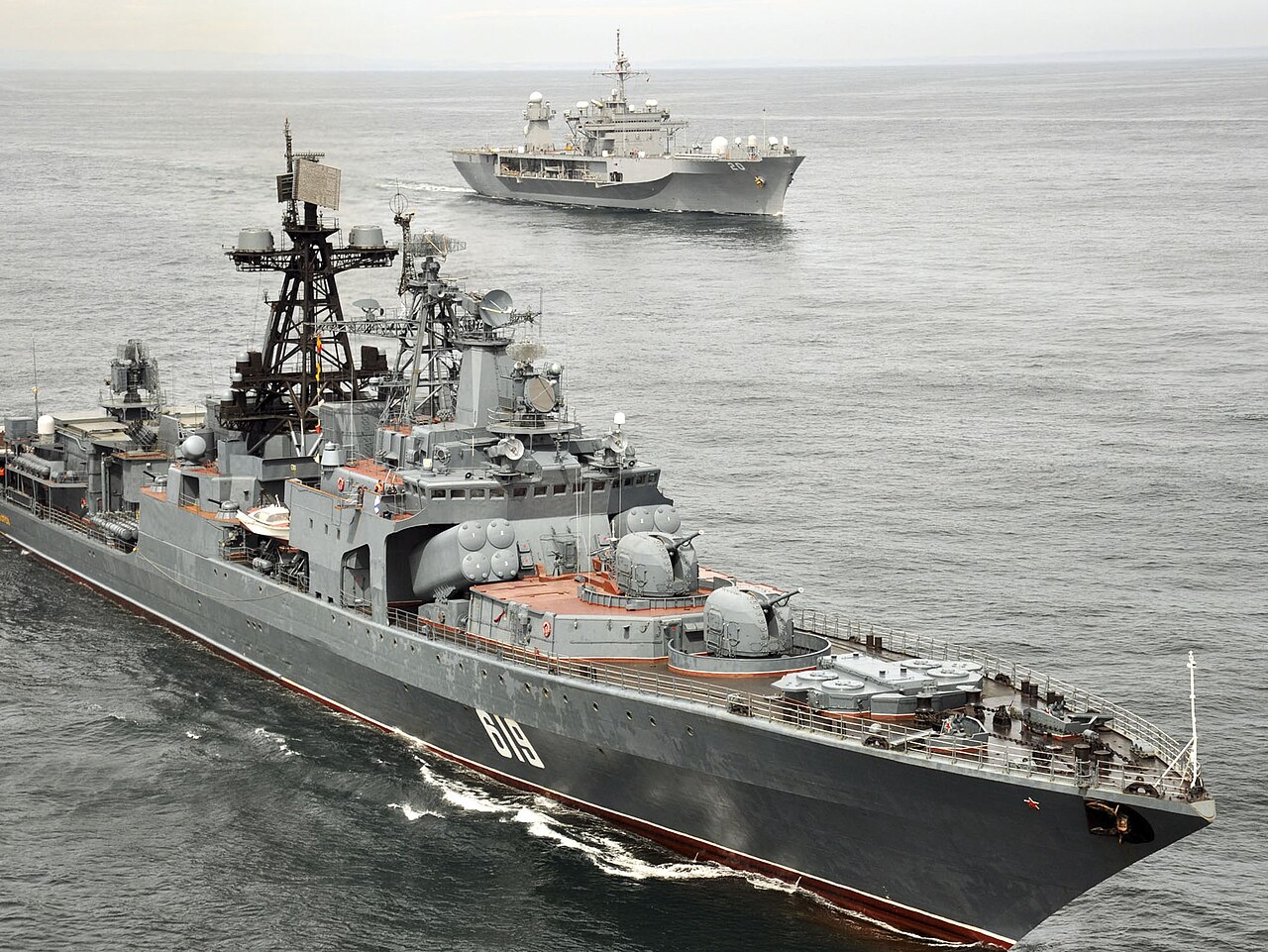
Libyan military officials identified the targeted vessel as the Russian navy corvette Merkury, which had docked at the Benghazi base for refueling and resupply as part of a cooperation arrangement between Russia and Libya’s eastern-based government. Satellite imagery from Planet Labs taken on the day showed a large plume of smoke rising over the port area, and a later comparison image reportedly showed the vessel capsized at the quay.
A source familiar with the matter told the Jerusalem Post that Ukraine’s security service, the SBU, struck the Russian navy vessel along with two Russian cargo ships described as transporting weapons at Benghazi. Ukraine’s top diplomat in Washington, Denys Sienik, wrote on social media that something had happened to a Russian naval vessel and a cargo ship reportedly transporting military equipment off the Libyan coast, though no government formally claimed responsibility.
Second Strike Hits Commercial Vessel
Two Libyan military sources told Reuters that a Maltese-flagged commercial ship was also hit by a sea drone off Benghazi on the same evening, in what appeared to be a separate attack from the strike on the corvette. Libyan naval forces rescued the vessel’s crew members, and no casualties were reported from that incident.
The dual strikes come after a Ukrainian naval drone operator told CNN earlier this year that his unit had been using a military base in Misrata, in northwestern Libya, as a launch point for attacks on Russia’s shadow fleet in exchange for providing training to local forces. Libya has increasingly featured in reporting on Russian-linked maritime targets in the Mediterranean, with a previous case involving the Russian-flagged LNG tanker Arctic Metagaz catching fire near Malta in March, an incident Russian state media attributed to Ukrainian sea drones launched off the Libyan coast.
UN Calls for Investigation
The UN Support Mission in Libya, UNSMIL, expressed serious concern over the attacks and called for an immediate, independent and transparent investigation into both incidents. The mission’s statement reflected broader worries that Libya, already fractured between rival eastern and western administrations, risks becoming an active front in the Russia-Ukraine conflict at sea.
The strikes followed a separate attack just a day earlier on another Russian-linked vessel in the Baltic Sea, which Finnish military officials said was likely carried out by Ukraine, underscoring a widening geographic pattern of Ukrainian sea drone operations against Russian maritime assets far from the Black Sea theater. Neither Russia’s government nor Libya’s eastern authorities have provided further detail on the vessel’s cargo or the extent of damage to the base’s infrastructure.
Why it matters
The Benghazi strikes mark one of the furthest extensions yet of Ukraine’s maritime drone campaign beyond the Black Sea, directly threatening Russian naval logistics and resupply routes through North Africa. The hit on a Maltese-flagged commercial vessel raises fresh concerns for merchant shipping and insurers operating near Libyan waters, a route already complicated by the country’s political division. The incident also highlights how the Russia-Ukraine war is increasingly entangling third-country ports and flag states, adding a new layer of risk assessment for shipowners and underwriters covering Mediterranean transits.