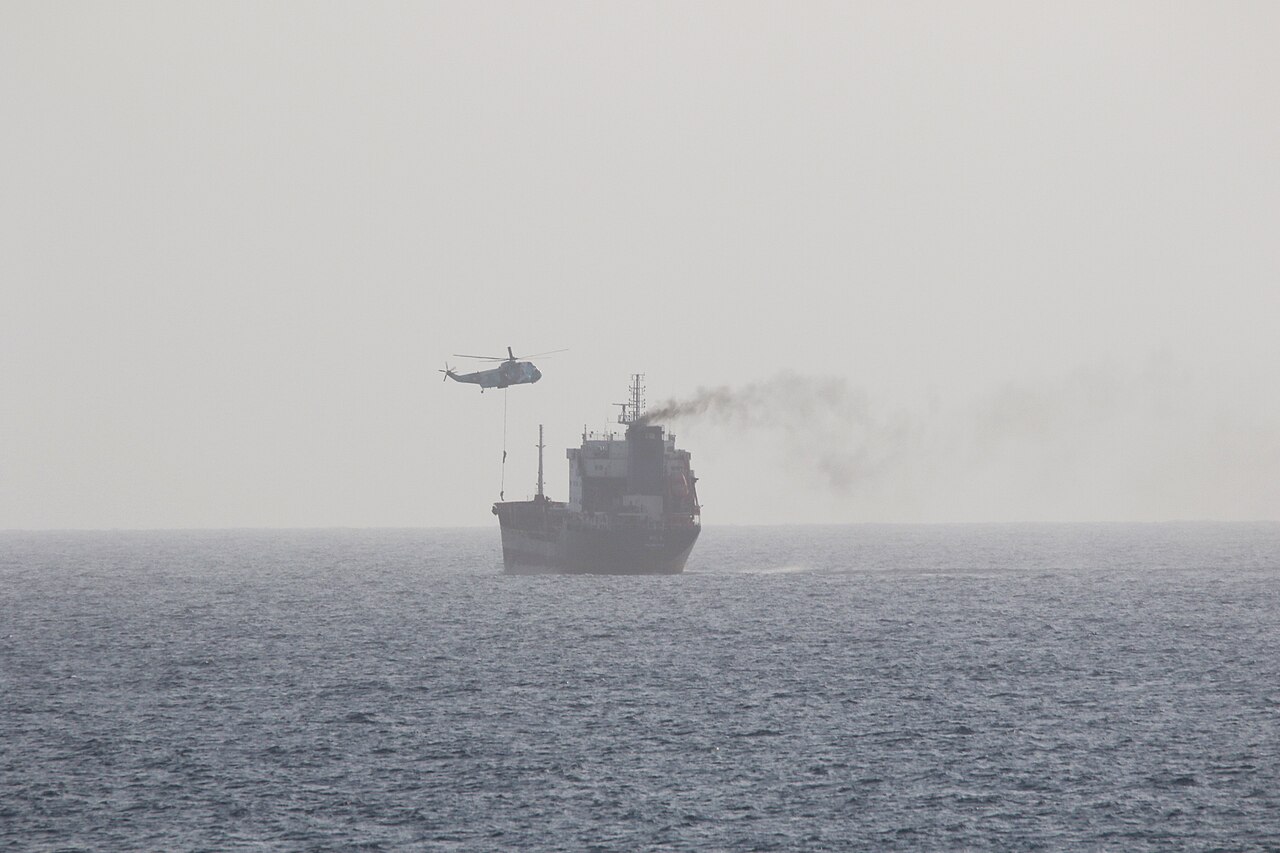
The number of vessels transiting the Strait of Hormuz fell to the lowest level in more than two months on Tuesday, after attacks on tankers in the waterway reached their highest weekly tally since the start of the US-Israeli war with Iran, shipping data showed. Seven commodity vessels passed through the strait that day, the lowest figure since July 23, according to analytics firm Kpler.
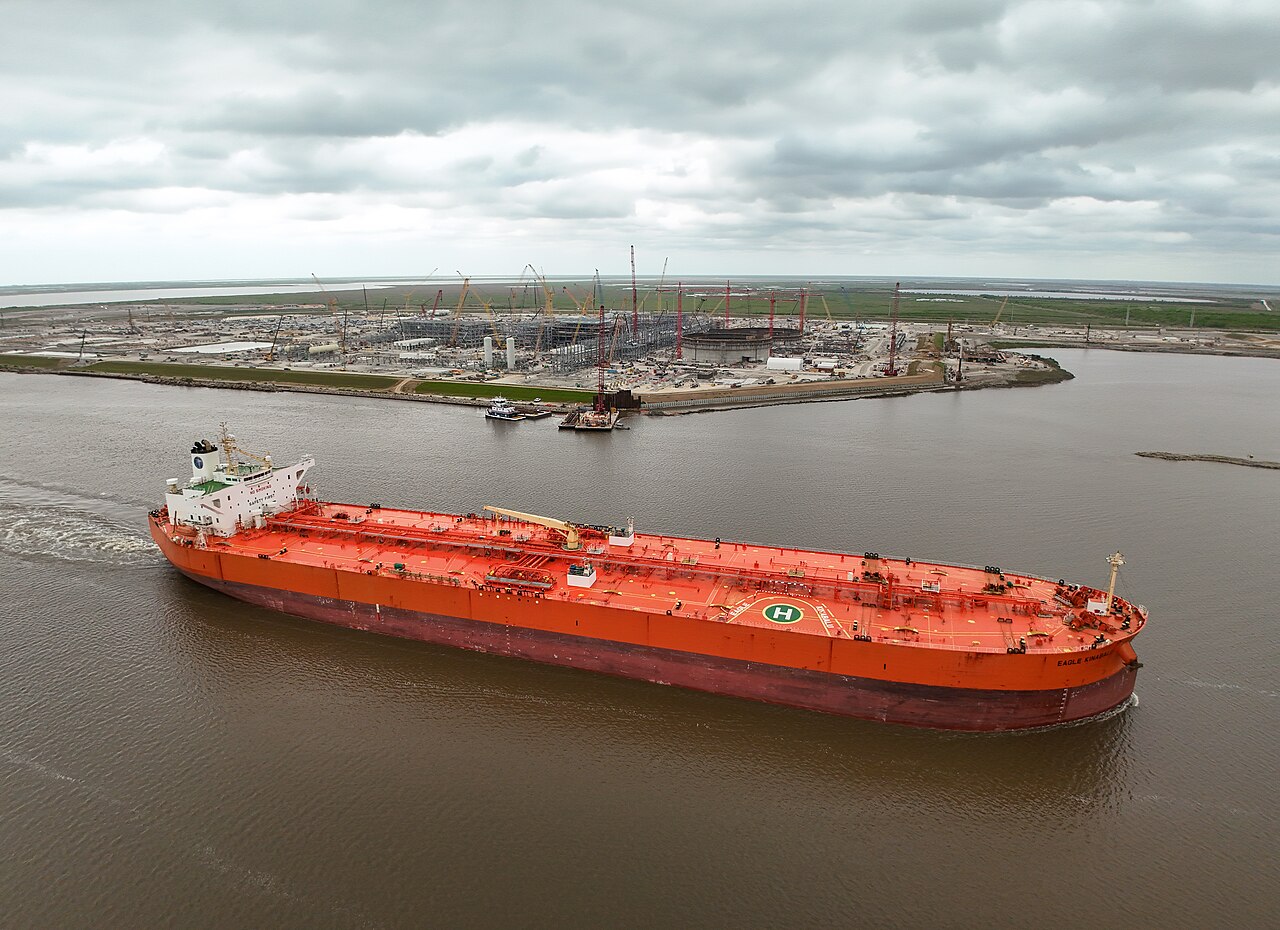
Crude oil crossing the strait fell 27 percent from a wartime high recorded the previous week, dropping to at least 10.1 million barrels a day, Kpler analysts Emmanuel Belostrino and Yui Torikata wrote in a note dated October 6. That level matches the September average but remains well below the pre-war baseline, as shipowners and oil majors weigh the rising risk of operating in one of the world’s most critical energy chokepoints.
Traffic Drops to Lowest Since July
The slowdown followed a week in which daily transits exceeded 20 vessels on both Sunday and Monday, underscoring how sharply conditions can swing in the strait depending on the security picture. By Wednesday the tally had edged back up to only 10 vessels, still far short of the levels seen earlier in the week, Kpler data showed.
Separate figures from LSEG, which track all vessels crossing the waterway rather than only commodity carriers, showed eight transits on Tuesday, evenly split between entries and exits, down from 14 the previous day. Both data providers caution that their counts exclude ships that have switched off Automatic Identification System transponders to avoid detection, meaning actual traffic could be higher than recorded.
Exporters Reroute Through Oman and the Red Sea
Much of the decline was concentrated in ship-to-ship transfers in the Gulf of Oman, where cargoes are moved between tankers before continuing their voyages, the Kpler analysts said. Despite the drop in Hormuz volumes, exports from the Gulf of Oman coast and the Red Sea rose to 6.7 million barrels per day, more than double pre-war levels, helping to offset the lost Hormuz supply and keep overall Middle East crude exports close to pre-war levels.
Before the Iran war began on February 28, roughly 125 large commercial vessels, including tankers, gas carriers, bulkers and container ships, passed through the strait each day, according to separate industry figures. The rerouting of cargoes toward alternative coastal loading points and the Red Sea reflects an adjustment in regional logistics as charterers and traders seek to limit exposure to the strait itself while maintaining supply commitments.
Attacks Reach Highest Weekly Pace of the War
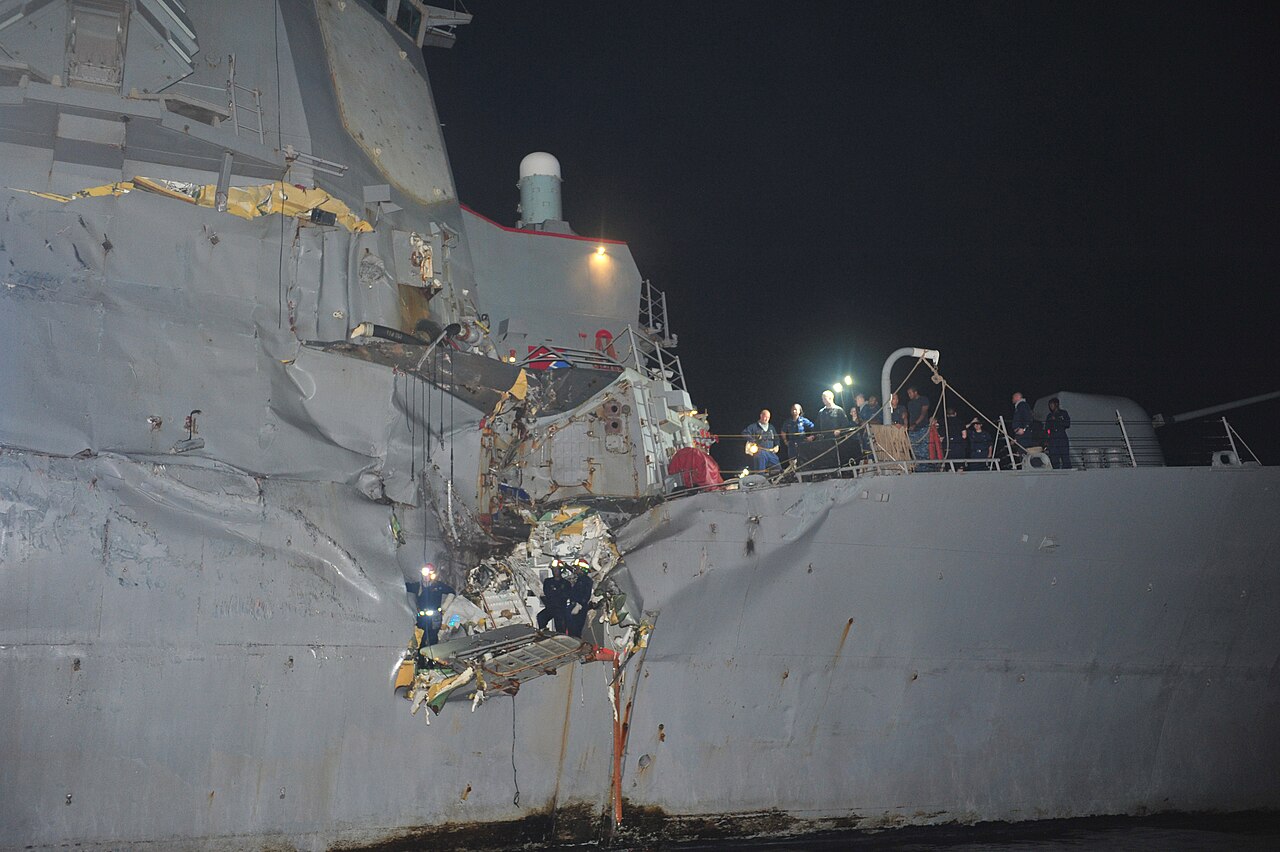
Attacks on tankers sailing through Hormuz hit their highest level of any week since the Iran war began, according to maritime security sources tracking incidents in the waterway. The surge in strikes has coincided with the drop in transit numbers, suggesting owners and operators are growing more cautious about routing vessels directly through the strait even as regional crude exports hold up through alternative channels.
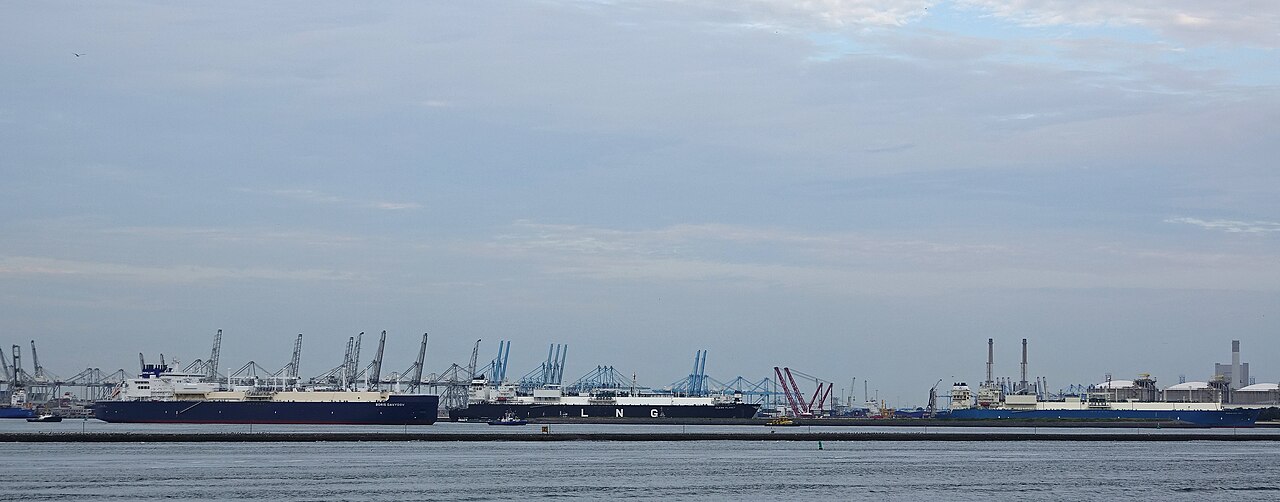
Among the vessels that did cross in recent days were five oil tankers and the LNG carrier Al Mafyar, which loaded at Ras Laffan in Qatar and was bound for Port Qasim in Pakistan, according to LSEG data. The continued movement of gas and crude cargoes despite the heightened risk illustrates the pressure on commercial operators to balance safety concerns against contractual and energy-security obligations tied to Gulf exports.
Why it matters
The Strait of Hormuz carries a substantial share of the world’s seaborne crude and LNG exports, and sustained drops in transit volumes signal that shipowners are actively avoiding the chokepoint despite the economic cost of longer, rerouted voyages. The shift of cargo volumes toward Oman’s coast and the Red Sea shows the industry’s growing reliance on workaround routes to preserve export flows amid an active conflict zone. Continued volatility in transit numbers and attack frequency will keep upward pressure on tanker freight rates and war-risk insurance premiums, with direct implications for global energy prices and supply chain planning heading into the winter demand season.
Source: Reuters via The National