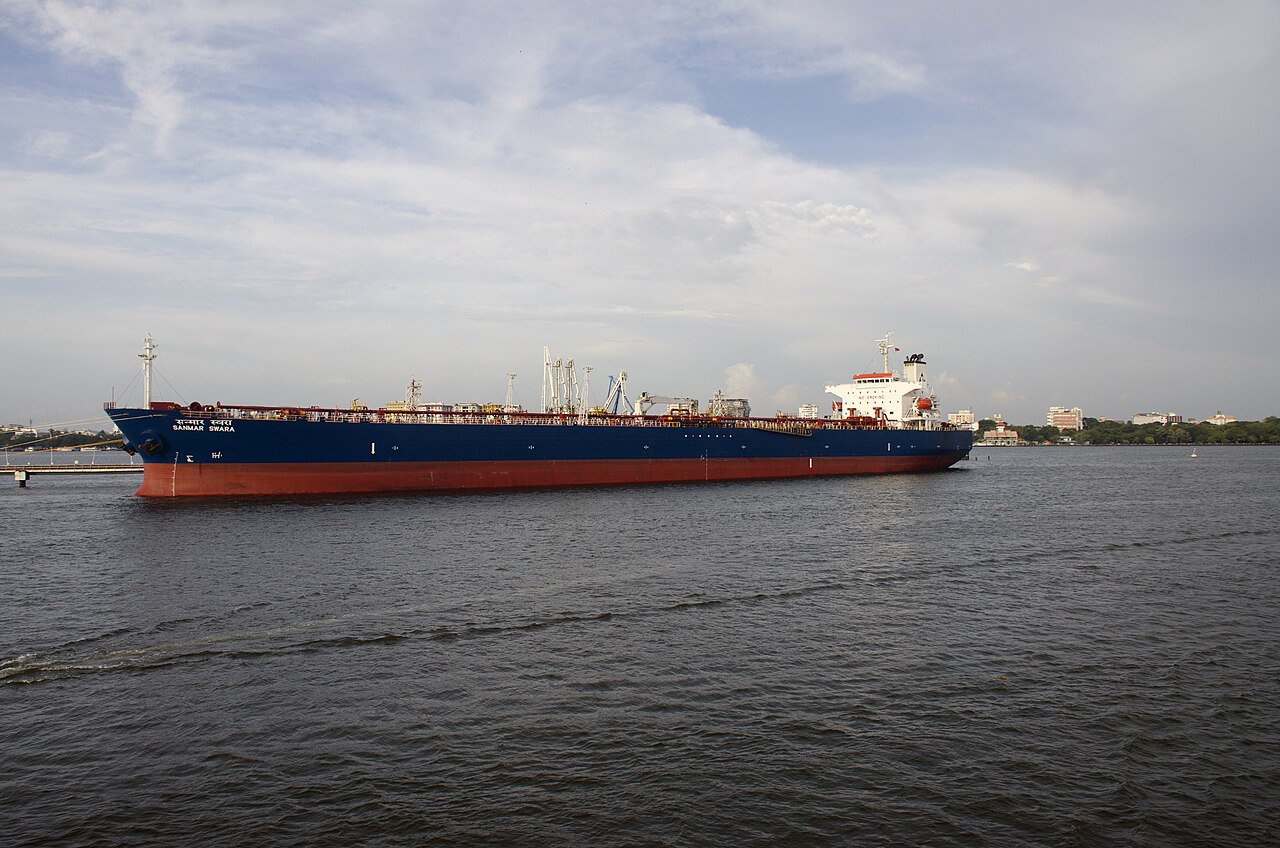
Saudi Arabia’s national shipping carrier Bahri signed a contract with International Maritime Industries (IMI) on October 25 to build three very large crude carriers worth approximately SAR 1.692 billion ($451 million), the companies announced. The agreement was signed on the sidelines of the Saudi Maritime and Logistics Congress in Dammam.
Each of the three VLCCs will have a deadweight tonnage of 320,000 tons and will be built at IMI’s shipyard in Ras Al-Khair, with phased deliveries scheduled between 2029 and 2030. The order brings the total number of vessels Bahri has contracted for construction in Saudi Arabia since the start of 2026 to nine, including six Ultramax bulk carriers ordered earlier in the year.
Deal Terms and Vessel Specifications
Under the contract, IMI will construct three VLCCs, each with a capacity of 320,000 deadweight tonnes, equipped with advanced energy-efficiency technologies. Bahri said in a disclosure on the Saudi Exchange that the financial impact of the contract will be reflected in its statements only after the vessels are received and enter commercial operations.
The order adds to Bahri’s existing programme of six geared Ultramax bulk carriers contracted with IMI in October 2025, which are expected to be delivered between 2028 and 2029. IMI is a joint venture between Saudi Aramco, Bahri, Lamprell and Hyundai Heavy Industries, headquartered at Ras Al-Khair on Saudi Arabia’s eastern coast.
Market Context and Timing
The newbuild contract comes as VLCCs are commanding record spot rates amid disruptions in Middle East crude flows and tanker markets strained by geopolitical tensions in the region. Bahri’s move to lock in capacity now reflects a broader push by national carriers to modernize aging fleets while shipyard slots and favorable financing remain available.
Bahri CEO Ahmed Alsubaey said fleet modernization remains a key pillar of the company’s long-term strategy, noting the contract strengthens the carrier’s capabilities with more efficient vessels while deepening cooperation with IMI. IMI CEO Abdullah Al-Ghamdi said the deal reflects continued progress in Saudi Arabia’s maritime sector and supports localization of shipbuilding capabilities.
Saudi Shipbuilding Ambitions
IMI is described by Saudi state media as the largest integrated maritime facility in the Middle East and North Africa, with ambitions to expand internationally. Once fully operational, the shipyard is expected to build six offshore drilling rigs and more than 40 vessels annually, including VLCCs, while also providing maintenance and repair services for up to 250 vessels and 15 drilling rigs each year.
The contract aligns with Saudi Arabia’s Vision 2030 economic diversification program, which aims to build domestic industrial capacity and retain a greater share of maritime supply chain activity within the Kingdom. The yard’s planned infrastructure includes artificial intelligence and biometric monitoring systems intended to give customers a competitive edge in digital-era shipbuilding.
Why it matters
The order underscores Saudi Arabia’s push to build a domestic shipbuilding base capable of competing with established Asian yards, reducing reliance on South Korean and Chinese builders for strategic tonnage. For Bahri, the expansion comes as VLCC rates remain elevated amid Middle East shipping disruptions, positioning the carrier to capture future crude transport demand with more efficient vessels. The deal also signals continued momentum for IMI, a flagship Saudi industrial project, as it works toward full operational capacity and a broader international customer base.
Source: Baird Maritime