Messages sent over WhatsApp by Sinokor Group, the South Korean shipping company controlled by tycoon Ga-Hyun Chung, are now moving global oil tanker freight prices, Bloomberg reported on October 27, as the war in Iran continues to upend the centuries-old system used to price shipping contracts.
The messages, typically announcing that one of Sinokor’s vessels has been hired at a newly elevated rate, are relayed to shipbrokers and spread within minutes across the tanker industry, according to the report, illustrating how word of mouth has displaced formal benchmarking mechanisms in a market thrown into disarray by the conflict.
A Multibillion-Dollar Pre-War Bet
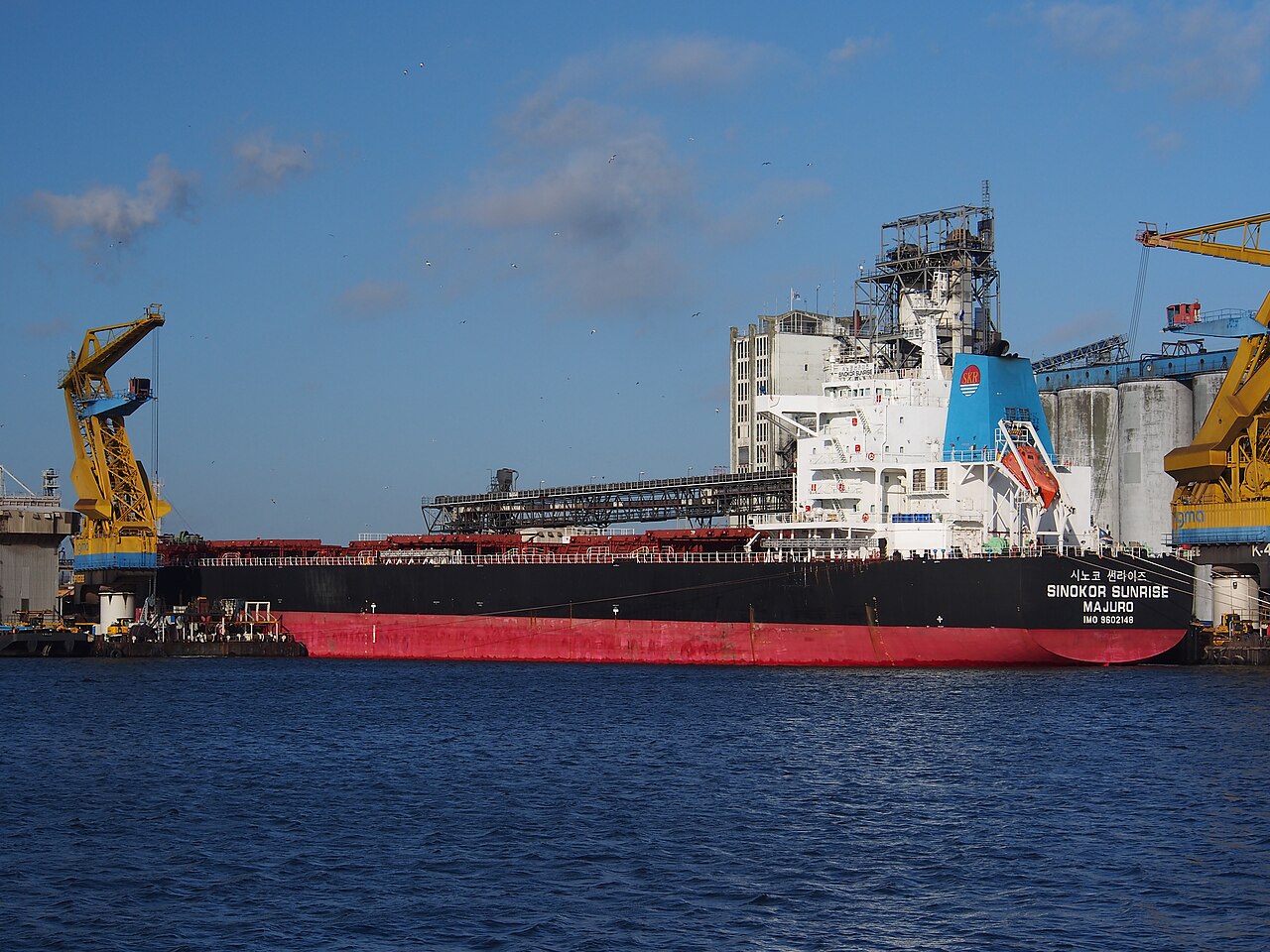
Chung spent an estimated 7 billion dollars amassing what became the world’s largest fleet of oil tankers in the months before the United States and Israel attacked Iran, according to people familiar with the deals, giving Sinokor an estimated 10 percent of the world’s very large crude carriers. The company, previously known mainly as a container-liner operator founded in 1989, took on Italian shipping and logistics group MSC as a co-owner as its tanker ambitions expanded.
Greek shipbroking firm Xclusiv estimates Sinokor now controls more than 160 tankers, with almost half of them VLCCs capable of carrying 2 million barrels of oil each. Average daily earnings for the largest crude tankers vaulted to more than 385,000 dollars in March, shortly after the conflict began, the highest level on Clarksons Research records dating back to 2000.
Wartime Premiums Hit Fresh Records
With the Strait of Hormuz effectively choked off and regional storage filling up, shipbrokers say Sinokor has been chartering out tankers to hold oil at rates as high as 500,000 dollars a day, roughly ten times pre-war levels. Ships hauling cargoes from Saudi Arabia to China were reported pulling in a record 656,000 dollars a day on a recent Friday, according to Baltic Exchange data, more than ten times the rate recorded a year earlier.
Market participants say the rate surge intensified after Sinokor told brokers it had hired out ships at the elevated levels, a pattern repeated as fewer owners and crews are willing to risk voyages into the Gulf. Moving barrels through Hormuz now effectively carries two separate costs: a lump sum to transit the waterway itself, and a lower rate once cargo is switched onto another tanker outside the strait for the onward run to China.
Opaque Messaging Reshapes a Legacy Benchmark
Bloomberg described Chung’s messages to brokers as typically opening with pleasantries before detailing a new fixture, with the information becoming the talk of the oil-tanker industry within minutes. Executives who have dealt with Chung describe him as an enigmatic, low-profile figure who personally negotiates the most important contracts and organizes large WhatsApp groups to communicate directly with brokers and rival owners.
The shift underscores how a London-based pricing system that traders and owners have relied on for decades as a proxy for supertanker earnings has struggled to keep pace with a market where ship movements through the Gulf have become increasingly opaque, with many vessels sailing without active transponders. Industry participants say Sinokor’s outsized fleet and direct broker communications now carry disproportionate weight in setting reference rates that ripple through freight derivatives tied to the benchmark.
Why it matters
The episode highlights how concentrated ownership and informal communication channels can override formal price-discovery mechanisms when a geopolitical shock disrupts a critical trade route. With Sinokor controlling roughly a tenth of the world’s VLCC fleet, its broker messages now carry outsized influence over freight benchmarks that underpin derivatives contracts, insurance pricing and oil trading decisions worldwide. The situation raises questions for regulators and market participants about transparency and reliability in tanker pricing as the Hormuz disruption persists.
Source: Bloomberg