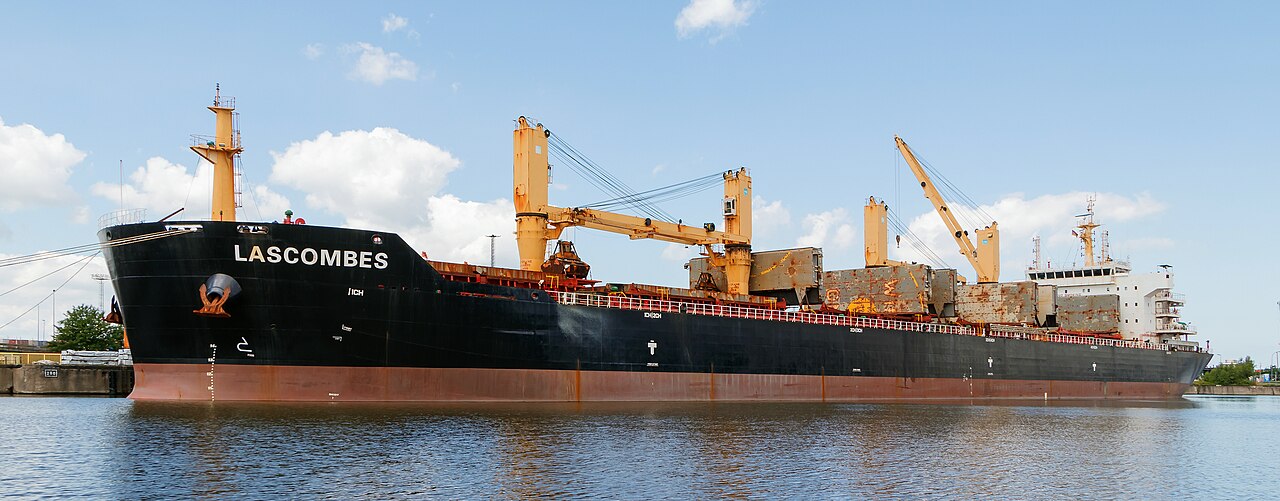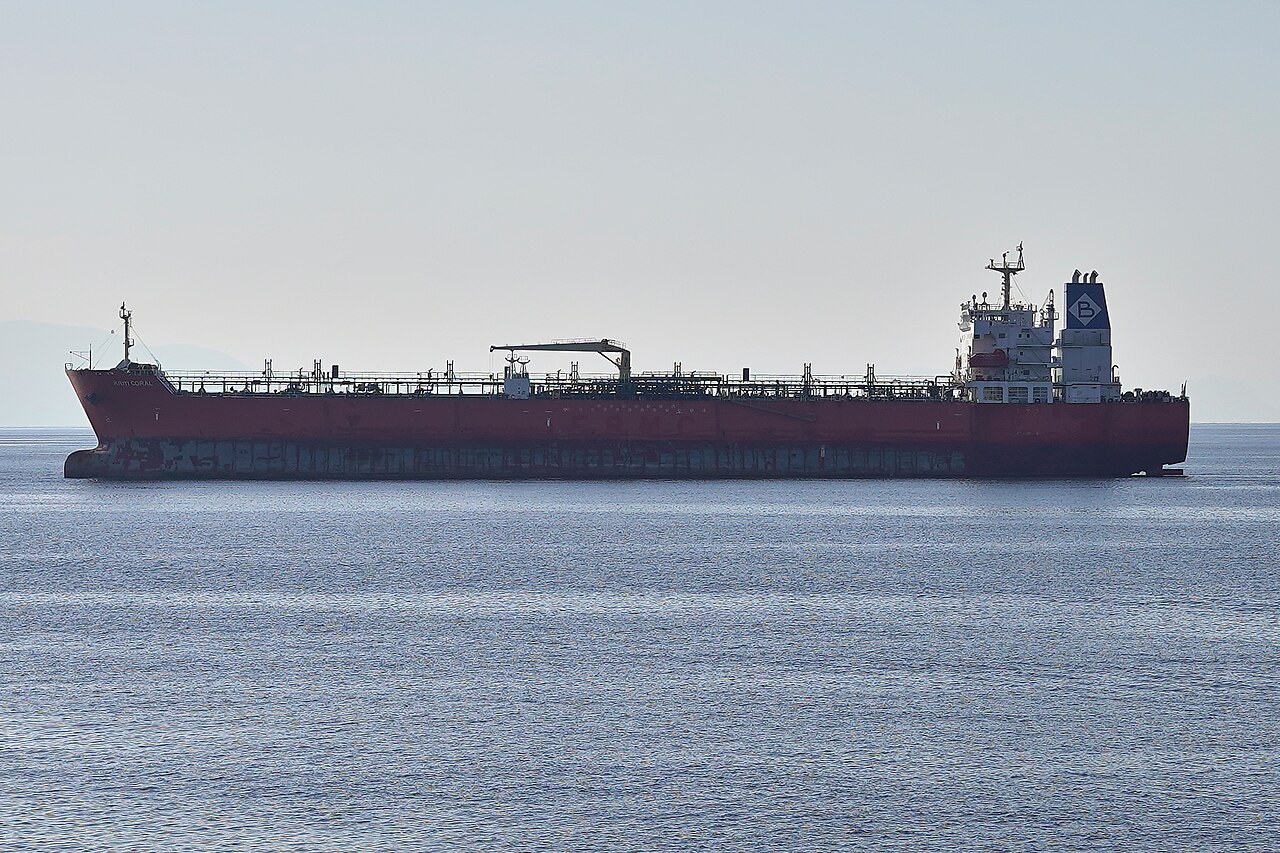
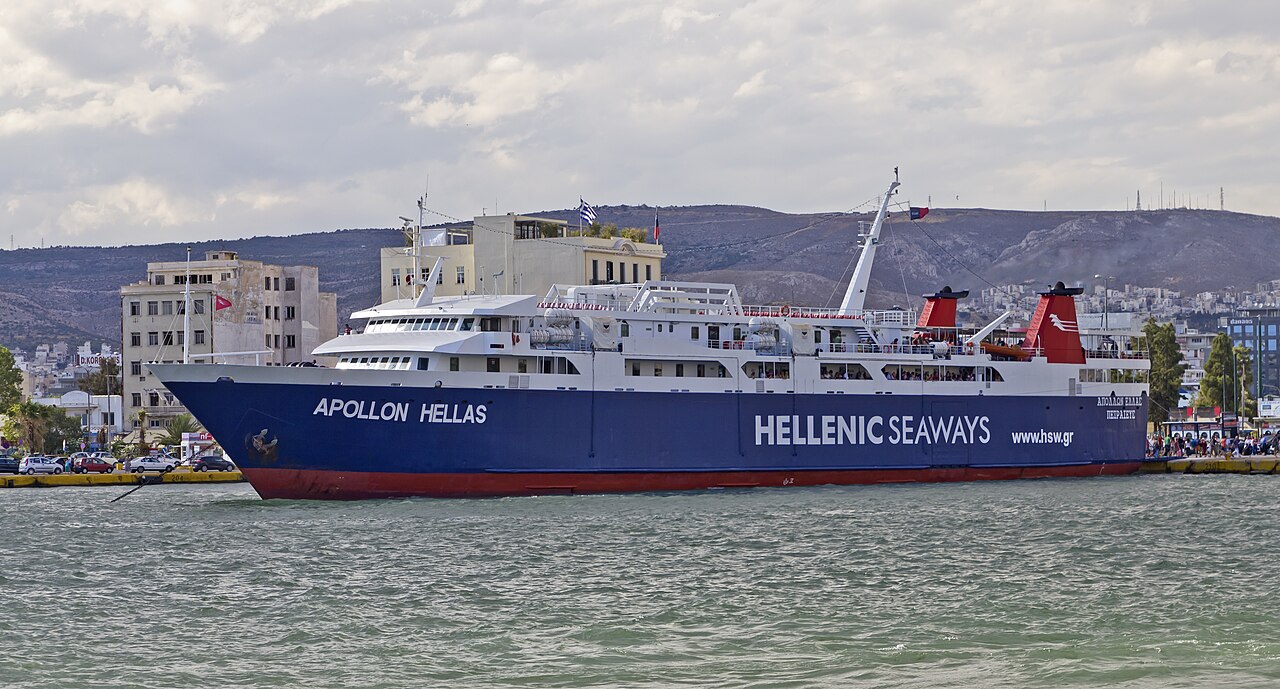
Ships at several of Greece’s busiest ports are set to remain idle on Friday, October 30, as maritime transport workers stage a coordinated strike, Greek public broadcaster ERT reported. The action is expected to disrupt operations at Piraeus, Rafina, Lavrio, Patras, Igoumenitsa and Elefsina, along with the Rio-Antirrio ferry crossing.
The walkout brings together seafarers, dockworkers and port staff under separate but overlapping mobilisations, with unions citing wage demands, safety concerns tied to regional conflicts, and staffing levels aboard vessels. Container terminal workers at Piraeus’s Piers II and III have separately voted to join a broader international day of dockworker action on the same date.
Wage and Safety Demands Drive Walkout
Seafarers are demanding a 12% increase in wages under collective agreements, recognition of high-risk maritime areas as war zones, and improved ship crew staffing. Their demands also include a seven-hour working day and mandatory doctors on board due to risks associated with military conflicts, reflecting ongoing concerns among Greek crews about operating in or near conflict-affected waters such as the Red Sea and the Strait of Hormuz.
The Federation of Permanent Employees in Greek Ports has announced three-hour work stoppages from 10 a.m. to 1 p.m. local time on Friday, while the Piraeus Labour Centre has called a full 24-hour strike coupled with a protest rally in the square in front of the Municipal Theatre. The Panhellenic Seamen’s Union has scheduled a separate assembly of demonstrators at the Holy Trinity Church in Piraeus an hour earlier, underscoring the breadth of organised labour involved.
Container Piers Face Separate Dockworker Action
Dockworkers at Piraeus’s container-handling Piers II and III, organised under the ENEDEP union, had already voted in a general assembly in late September to strike on October 30, with grievances centred on pay, full-time job security and social-insurance rules for workers in heavy manual roles. That stoppage is framed as part of a wider international day of dockworker action spanning more than 40 ports worldwide, linking the Piraeus dispute to a broader global labour movement among port workers.
Passenger and cruise terminal operations at Piraeus have not been named in the dockworkers’ strike vote, meaning ferry and cruise schedules tied to specific operator notices could continue depending on individual company decisions. The distinction between the container-pier action and the separate seafarer and port-staff mobilisations means the practical disruption on Friday will likely vary significantly by terminal and by vessel type.
Operational Impact Across Island and Ferry Routes
The inclusion of the Rio-Antirrio ferry service alongside Piraeus, Rafina, Lavrio, Patras, Igoumenitsa and Elefsina in the planned strike signals potential disruption to both domestic island connectivity and international ferry links to Italy, which rely on routes through Patras and Igoumenitsa. Piraeus, Greece’s largest port and majority owned by China’s COSCO Shipping, has already experienced a sharp decline in container throughput this year, making additional disruption to cargo handling a further pressure point for terminal operators.
Greek authorities and port operators have not yet detailed contingency plans for Friday, and it remains unclear whether talks between unions and the shipping ministry will produce a resolution before the planned action begins. Previous Greek seafarer and dockworker strikes have typically led to temporary suspensions of ferry departures and slowed cargo operations for the duration of the stoppage, with normal service usually resuming once the action concludes.
Why it matters
A coordinated strike across Greece’s largest ports, including Piraeus, carries significance well beyond domestic ferry schedules, given the country’s role as Europe’s leading shipowning nation and Piraeus’s position as a key Mediterranean transhipment hub partly controlled by COSCO Shipping. Disruption to the Rio-Antirrio and Patras-Igoumenitsa routes also affects cross-border ferry links to Italy, while seafarers’ demands for war-zone recognition highlight continuing industry anxiety over crew safety amid conflicts affecting the Red Sea and the Strait of Hormuz. The dockworkers’ alignment with a broader international day of action further signals that Greek port labour disputes are increasingly tied to global union coordination.
Source: BTA (Bulgarian Telegraph Agency)