Iran’s Persian Gulf Strait Authority (PGSA) said on October 27 it will take legal action against all vessels belonging to South Korean shipping company Sinokor Merchant Marine starting November 1, accusing the tanker owner’s fleet of committing the highest number of crossing violations in the Strait of Hormuz over the past three months.
The warning, posted on X and reported by Reuters, marks the first time the Iranian authority has issued a blanket threat covering an entire shipowner’s fleet rather than individual vessels, significantly raising the stakes for Sinokor, which has emerged this year as one of the largest operators of VLCCs transiting the strait.
A Widening Non-Compliance List
The Persian Gulf Strait Authority is a body set up by Tehran to manage passage requests through the Strait of Hormuz, after Iran declared in March 2026 that vessels would be required to pay for safe passage to avoid sea mines and naval confrontations. The PGSA maintains a non-compliance list of vessels it alleges have broken its transit rules, which currently contains 123 entries and has grown steadily since an initial list of 45 tankers was published in August.
The authority said on X that Sinokor vessels had committed the highest number of crossing violations over the past three months and that “appropriate actions” had already been taken against at least seven of them. Vessels on the list face what the PGSA describes as restrictions on future passages, including fines, detention or confiscation, though it remains unclear what form the threatened legal action against the full Sinokor fleet will take.
Sinokor’s Outsized Exposure
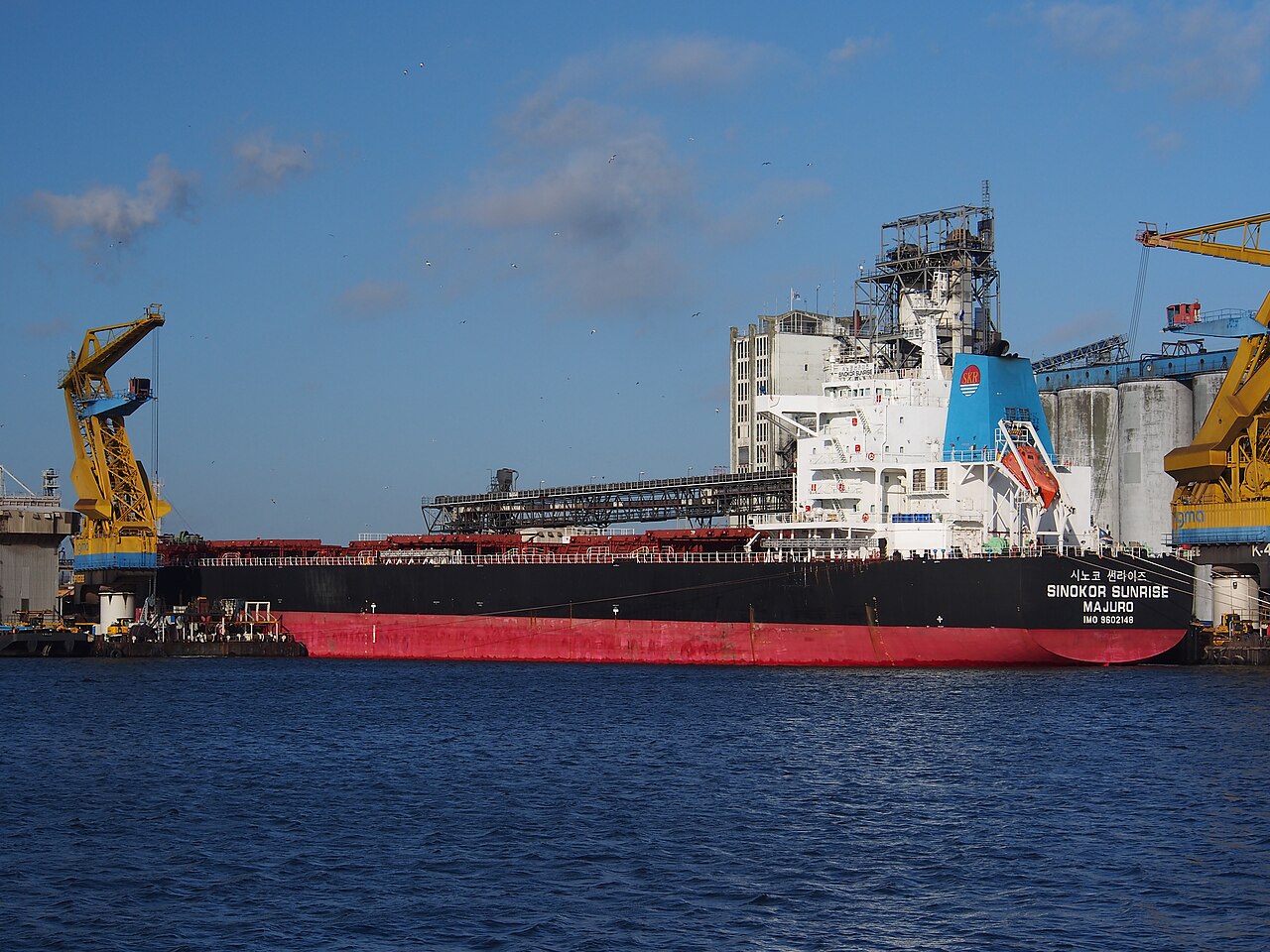
The threat carries particular weight because of Sinokor’s rapid expansion in the VLCC spot market. Clarksons figures showed the company owned 93 VLCCs as of August 2026, and Veson Nautical data indicate Sinokor acquired 72 VLCCs during the year for $5.854 billion. Lloyd’s List Intelligence data show Sinokor accounted for 47% of Hormuz VLCC transits, while the company also charters out tonnage to operators including ADNOC.
Tehran has sought to tighten its grip on the strategic waterway by attacking shipping there since US and Israeli airstrikes on Iran on February 28, using transit restrictions as leverage against Washington while disrupting oil flows to Gulf producers’ customers in Asia. In response to Iranian attacks, the United States has imposed a naval blockade on vessels linked to Iran in the strait, though Gulf producers have increasingly relied on so-called dark transits, switching off tracking systems to evade detection and protect oil exports.
Market and Operational Fallout
Sinokor had not immediately commented on the PGSA’s statement as of October 27. The move extends a pattern in which the Iranian authority has repeatedly singled out the South Korean carrier, having already placed Sinokor vessels on its original August non-compliance list alongside dozens of other tankers accused of breaching Hormuz crossing rules.
Given Sinokor’s scale in the spot VLCC market, a blanket enforcement threat against its fleet could further strain insurance, chartering and routing decisions for vessels carrying Gulf crude, compounding disruption already affecting oil flows through the strait since the February conflict. Market participants are watching closely for how cargo owners, insurers and other charterers respond ahead of the November 1 deadline.
Why it matters
The Strait of Hormuz carries roughly a fifth of global oil trade, and a fleet-wide legal threat against one of its largest VLCC operators signals a sharp escalation in Iran’s campaign to control transit through the waterway. With Sinokor accounting for nearly half of Hormuz VLCC movements, any disruption to its vessels could ripple through tanker availability, freight rates and insurance costs for Gulf crude exports to Asia, deepening the operational risk shipowners already face amid the ongoing Hormuz security crisis.
Source: Reuters via Seatrade Maritime / Korea JoongAng Daily