Swedish shipping group Stena AB has signed an agreement to acquire Norwegian ferry operator Color Line, bringing together two of Scandinavia’s largest passenger and freight ferry companies in a deal announced Monday.
Under the agreement, Stena AB’s subsidiary Stena Rederi AB will acquire all shares in Color Group AS from ONS Invest II AS, the holding company of Norwegian industrialist Olav Nils Sunde and his family. The transaction is subject to regulatory approval and is expected to close in the late first quarter or during the second quarter of 2027, with financial terms not disclosed.
Routes, Fleet and Scale
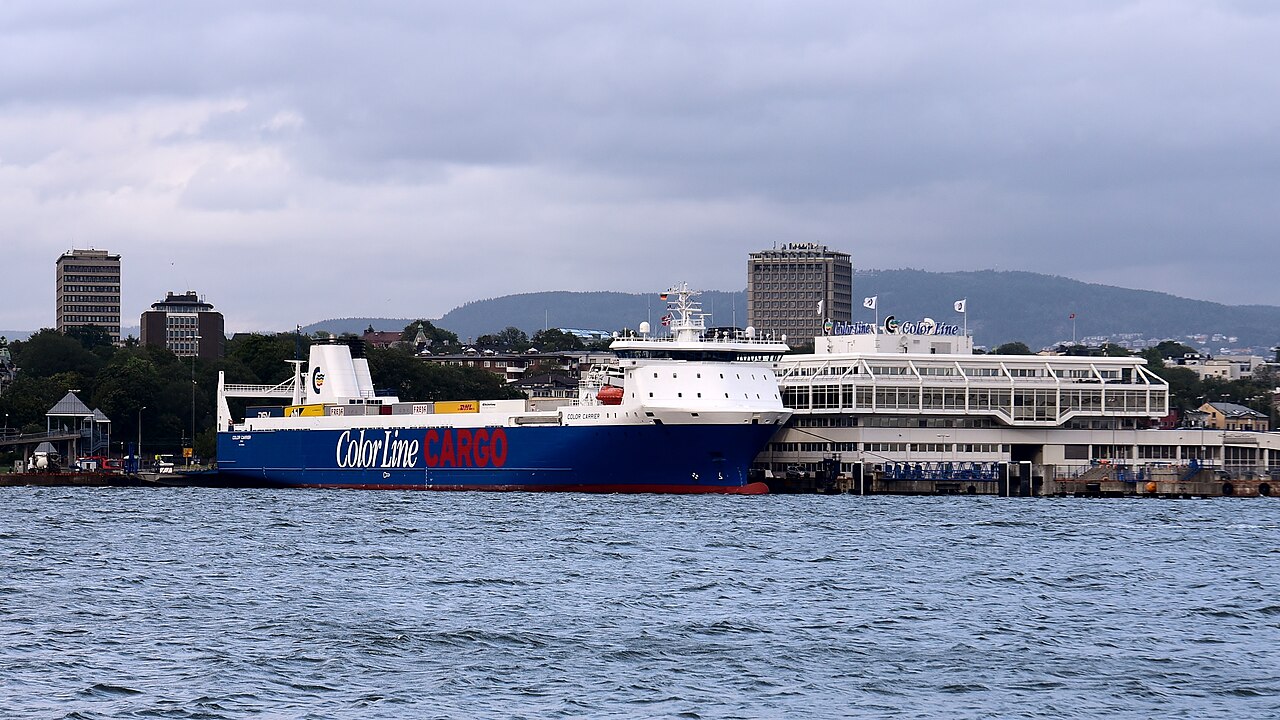
Color Line operates services connecting Norway with Germany, Denmark and Sweden, including the Oslo–Kiel route served by its large cruise ferries Color Magic and Color Fantasy, as well as Kristiansand and Larvik links to Hirtshals, Denmark, and a Sandefjord–Strömstad crossing to Sweden. The company runs a fleet of five ships across four international routes calling at seven ports.
In 2025, Color Line carried nearly 3.6 million passengers and 150,000 freight units, generating revenue of more than NOK 6.7 billion, equivalent to roughly 645 million euros. Stena Line, by comparison, operates approximately 35,000 sailings annually across an extensive European network, reporting revenue of SEK 20.2 billion and employing about 8,750 people.
Standalone Operation Pledged
Despite the change in ownership, Stena said it intends to preserve Color Line as a separate business, retaining its existing brand, Norwegian management and Norwegian-registered fleet. The company said existing sailings, bookings and commercial relationships at both operators will remain unaffected while the deal undergoes regulatory review.
Stena Line chief executive Niclas Mårtensson described the agreement as a milestone in the company’s history, saying it would strengthen the group’s ability to serve as a link between places, people and communities. Stena said it plans to apply its industrial expertise to support Color Line’s development in areas including decarbonization, technology, digitalization, customer service and logistics.
Part of a Broader Consolidation Drive
The Color Line agreement follows Stena Line’s acquisition of Finnish operator Wasaline, completed earlier this year, along with terminal operations in Liepaja, Latvia, extending a pattern of consolidation across Nordic and Baltic ferry markets. Industry analysts have noted the deal continues a broader trend of larger groups absorbing regional operators facing rising newbuilding and decarbonization costs.
The combination would unite two companies with long histories in Scandinavian maritime trade, each with established market knowledge in their respective national markets. Regulatory scrutiny is expected given the companies’ overlapping presence in Scandinavian and North Sea ferry corridors, though no objections have yet been raised by competition authorities in Norway, Sweden or Germany.
Why it matters
The acquisition would create one of Europe’s largest ferry groups, consolidating passenger and freight capacity across key North Sea and Scandinavian routes at a time when operators face mounting pressure to fund fleet decarbonization and digital upgrades. By retaining Color Line’s Norwegian flag, management and brand, Stena signals a strategy of absorbing competitors while preserving local market identity, a model that could shape further consolidation among mid-sized European ferry operators. The deal also underscores continued private capital appetite for ferry assets even as the sector grapples with rising newbuilding costs and emissions regulation.
Source: gCaptain