Greece’s Minister of Shipping and Island Policy, Vasilis Kikilias, said on October 23 that Athens would not yield on its sovereign maritime rights, days after Libya’s eastern-based parliament voted unanimously to approve a 2019 Turkey-Libya maritime memorandum that Greece, Cyprus, Egypt and the European Union say violates international law.
Speaking to Greek broadcaster SKAI, Kikilias described Greek foreign policy as a constant struggle, addressing the maritime boundary dispute alongside separate government plans to support ferry services amid rising fuel costs and measures to expand the economic returns of Greece’s shipping industry. The comments came after Athens sent a letter to UN Secretary-General Antonio Guterres rejecting the deal and briefed the UN Security Council on the dispute.
Libya’s Reversal Revives Mediterranean Dispute
Libya’s parliament unanimously approved the contested maritime agreement with Turkey, reversing years of opposition and reviving a dispute with Egypt, Greece and Cyprus over rights in the eastern Mediterranean. The Tobruk-based House of Representatives, aligned with military commander Khalifa Haftar, voted to adopt the memorandum of understanding originally signed in 2019 by Turkey and Libya’s then Tripoli-based government, reversing its own 2020 rejection of the pact.
The memorandum, signed in Istanbul in November 2019 by Turkish President Recep Tayyip Erdogan and then-Tripoli prime minister Fayez al-Sarraj, draws a sea border between Turkey and Libya that Greece, Cyprus and Egypt argue disregards Crete and other Greek islands. The agreement allowed Ankara to claim large and potentially gas-rich areas of the eastern Mediterranean, a region where major natural gas discoveries in recent years have fueled competing claims to offshore waters.
Athens Pursues Diplomatic and Legal Response
Athens reiterated its rejection of the 2019 memorandum in a letter to UN Secretary-General Guterres, arguing that the agreement violates international law and cannot produce legal effects for third countries. Greece also briefed the UN Security Council on the matter, while the European Union recalled its December 2019 position that the memorandum infringes on the sovereign rights of third states and does not comply with the Law of the Sea.
Egypt and the European Union have separately rejected the renewed ratification, calling it null and void, and Israel also condemned the move. Greek officials have pointed to parallel efforts to formalize a maritime boundary agreement with Egypt as a counterweight to the Turkey-Libya pact, a step Kikilias linked to the broader struggle over Greece’s sovereign claims in his SKAI interview.
Shipping Minister’s Broader Portfolio
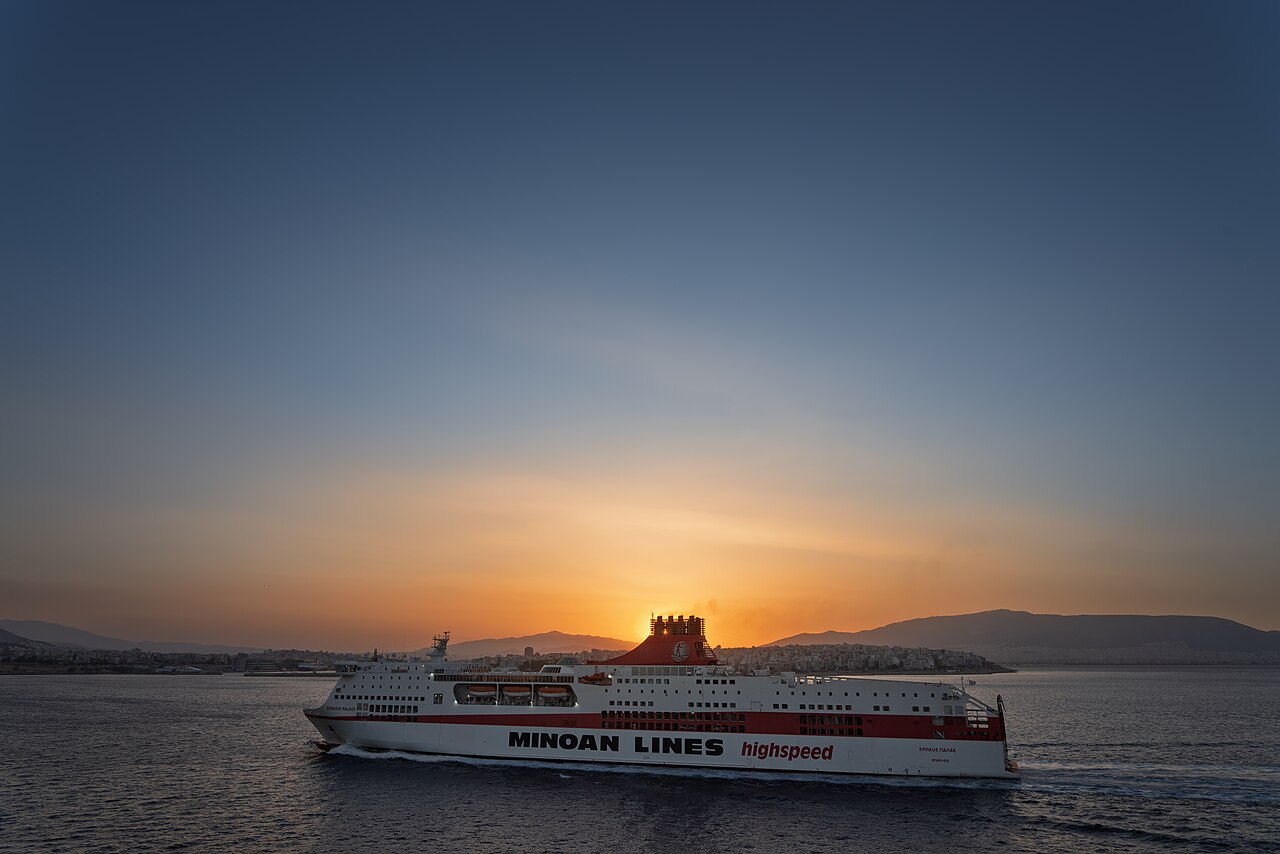
Beyond the boundary dispute, Kikilias used the interview to discuss government plans to support ferry services as fuel costs rise and to outline ways of increasing the economic benefits that Greece draws from its shipping industry. The dual focus reflects his ministry’s responsibility for both Greece’s commercial fleet and the island ferry network that depends on predictable fuel costs and maritime access.
In an earlier interview, Kikilias had argued that government shipping fuel policy had shielded the wider economy from additional energy costs and had kept ferry fares contained over the past two years despite difficult market conditions. That record underpins his ministry’s position that maritime policy, from boundary disputes to fuel taxation, is central to Greece’s broader economic resilience.
Why it matters
The revived Turkey-Libya memorandum touches waters used by commercial shipping lanes linking the Aegean, Crete and North Africa, and its boundaries could affect future offshore energy exploration claimed by Greece, Cyprus and Egypt. A prolonged dispute raises the risk of friction in a region already navigated by Greek-flagged tankers, bulkers and ferries, and tests Athens’ ability to defend its exclusive economic zone claims through diplomatic and legal channels rather than confrontation. The episode also underscores how Greece’s shipping ministry is managing geopolitical risk alongside domestic concerns such as ferry fares and fuel costs.
Source: To Vima