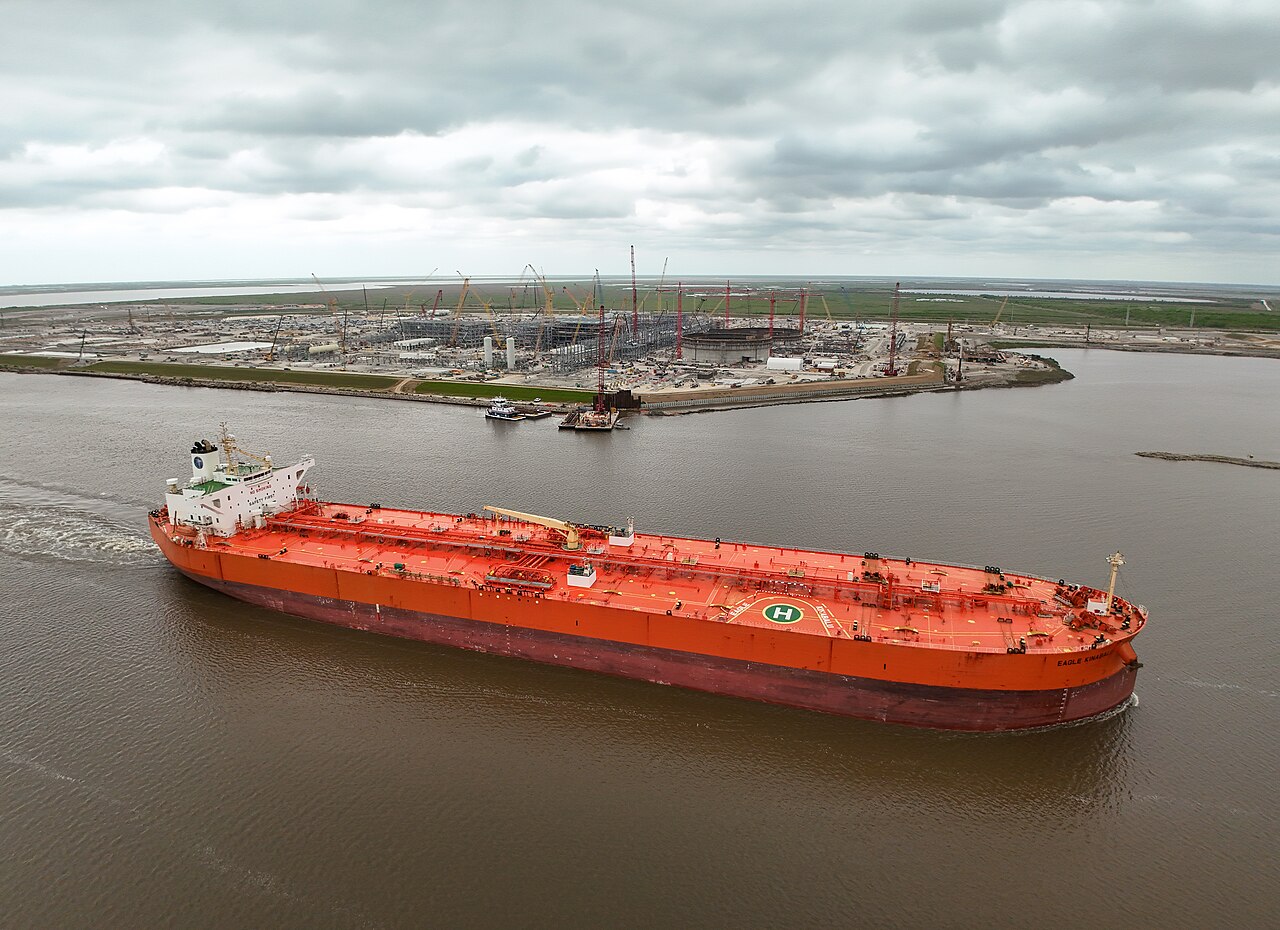
Attacks on commercial shipping in the Persian Gulf spread further from the Strait of Hormuz over the weekend of October 9-11, with the Panama-flagged VLCC Gem No.2 struck by an unidentified projectile off the United Arab Emirates and another tanker hit near Qatar days earlier, maritime security firms and UK Maritime Trade Operations reported. The 302,783-dwt Gem No.2, fully laden with crude and managed in Taiwan, caught fire roughly 13 nautical miles west of Al Jazeera, UAE, before the blaze was extinguished.
The incident followed a separate strike on the 51,400-dwt MR2 tanker Acers roughly 51 nautical miles north of Madinat ash Shamal, Qatar, on October 7, which caused a fire and multiple reported casualties. Iran’s Revolutionary Guards have warned they will pursue vessels taking what Tehran considers unauthorized routes anywhere in the region, not only within Hormuz, as US forces separately disabled a Panama-flagged bulker in the Gulf of Oman for allegedly breaching Washington’s naval blockade of Iranian ports.
Fresh Strikes Widen Beyond Hormuz
Maritime security firm Vanguard identified the vessel struck off the UAE as Gem No.2, saying it was hit by an unknown projectile at around 1000 GMT on October 9 while at anchor, fully laden with oil, off the UAE coast. UKMTO said the status of the crew and extent of damage remained unclear, though the ship issued a distress alert and the resulting fire was subsequently brought under control. India’s minister for ports, shipping and waterways, Sarbananda Sonowal, said the tanker had come under drone attack and confirmed that all 22 Indian seafarers aboard were safe.
The strike came days after the Acers was hit by multiple projectiles off Qatar, an attack UK-based security firm Ambrey said caused a fire that crew extinguished, though it reported multiple casualties. UKMTO separately reported that an unidentified outbound tanker was struck on its port side within the strait itself, triggering another fire with its crew reported safe. Iran also claimed a supertanker had exploded after striking a naval mine while exiting Hormuz through an unauthorized route, though the vessel was not named and the account remains unverified.
US Blockade Enforcement Intensifies
US Central Command said a fighter jet struck the stern of the Panama-flagged bulk carrier Ocean Molica, also known as Arika Sun, disabling its propulsion without harming the crew after the vessel allegedly ignored warnings while attempting to leave an Iranian port in breach of Washington’s blockade. CENTCOM said the operation was part of enforcement covering all maritime traffic entering or leaving Iranian ports, with naval units redirecting compliant vessels and disabling those that refuse instructions.
In an October 10 statement, CENTCOM reported that four commercial vessels had been disabled and 135 ships turned back over three months of enforcement, alongside the destruction of ten tankers it linked to the Revolutionary Guards’ shadow shipping network. The command urged mariners to monitor Notice to Mariners broadcasts and maintain communication with US naval forces operating in the Strait of Hormuz and Gulf of Oman.
Transit Risk and Costs Climb
Iranian adviser Majid Mirahmadi said only an average of ten ships a day transited the strait in October, against roughly 125 before the war began, a figure disputed by US Secretary of State Marco Rubio, who said Iran had lost complete control of the waterway and that oil flows had nearly returned to pre-conflict levels. Maritime unions and industry insiders said oil tanker captains willing to navigate Hormuz are now being offered up to $100,000 a month, reflecting the scale of danger pay demanded for the route.
Since the Iran war began in late February, at least 24 sailors have died in attacks on 100 commercial ships across Hormuz, the Persian Gulf and the Gulf of Oman, according to International Maritime Organization figures cited by industry reporting. The widening geographic spread of attacks, now reaching waters off Qatar and the UAE rather than being confined to the strait itself, has raised the stakes for owners and insurers weighing whether to keep tonnage transiting the region at all.
Why it matters
The extension of tanker attacks beyond the Strait of Hormuz into waters off Qatar and the UAE signals a broader threat perimeter for one of the world’s most critical energy corridors, through which a significant share of global seaborne crude and LNG normally passes. Rising war-risk premiums, soaring danger pay for crews and intensified US naval enforcement actions against vessels linked to Iran all point to sustained disruption and higher costs for tanker owners, charterers and ultimately energy consumers. With both Iranian forces and US blockade enforcement now striking vessels in the same waters, the risk of miscalculation affecting commercial shipping continues to grow.
Source: Splash247