Reported attacks on shipping in and around the Strait of Hormuz climbed to their highest levels since the war between the United States, Israel and Iran began in late February, with oil traffic through the waterway down by approximately 40 percent, according to maritime risk data reviewed by news organizations this week. The United Kingdom Maritime Trade Operations Centre (UKMTO) logged 31 attacks in October and roughly 19 more in November as of November 18, figures that both CNN and Al Jazeera cite as the campaign’s most intense stretch to date.
Iran has reiterated that it will use all available means to confront a U.S. naval blockade of its ports, stepping up strikes on tankers attempting to cross the strait, a waterway through which roughly a fifth of global oil supply normally moves. The surge in attacks has coincided with a collapse in transit volumes, with the IMF’s PortWatch tracker recording as few as one or two vessels passing through on some days in November, against a pre-crisis baseline of around 85 transits daily.
Attack Tempo Reaches New Highs
UKMTO reported 31 attacks in and around the Strait of Hormuz in October, and about 19 in November as of November 18, figures that CNN’s separate analysis of the same data put at a minimum of 22 incidents for the month, the second-highest total since the war began. Three tankers were struck exiting the strait on a single weekend in late November, according to the maritime risk firm Ambrey, underscoring how frequently commercial crews are now encountering projectile and mine strikes along the route.
Iran’s military has claimed near-daily incidents involving commercial ships transiting the strait, often attributing the damage to sea mines rather than drone or missile strikes, a pattern analysts say complicates efforts by shipowners and insurers to assess risk. The Islamic Revolutionary Guard Corps Navy has pointed to the mine claims as evidence it retains operational control of the chokepoint even as it faces a sustained American naval presence.
US Blockade Drives Transit Collapse
The United States has maintained a naval blockade stopping Iranian and Iran-linked vessels from entering or leaving the Gulf of Oman since April 13, with only a brief pause between June 18 and July 13 before it was reinstated. That blockade, paired with Iran’s own retaliatory attacks on shipping, has produced what maritime trackers describe as a dual stranglehold on the strait, with IMF PortWatch recording as little as one transit on November 22 against the historical daily average of 85.
Oil markets have responded to the disruption, with Brent crude futures rising more than a dollar a barrel in recent sessions as continued shipping disruptions through the strait combined with broader geopolitical tensions to offset downward pressure from rising global crude output. Brent settled near $94 to $95 a barrel this week, a level traders link directly to the deepening chokepoint crisis rather than underlying supply and demand fundamentals.
Tehran Weighs a Tanker Convoy
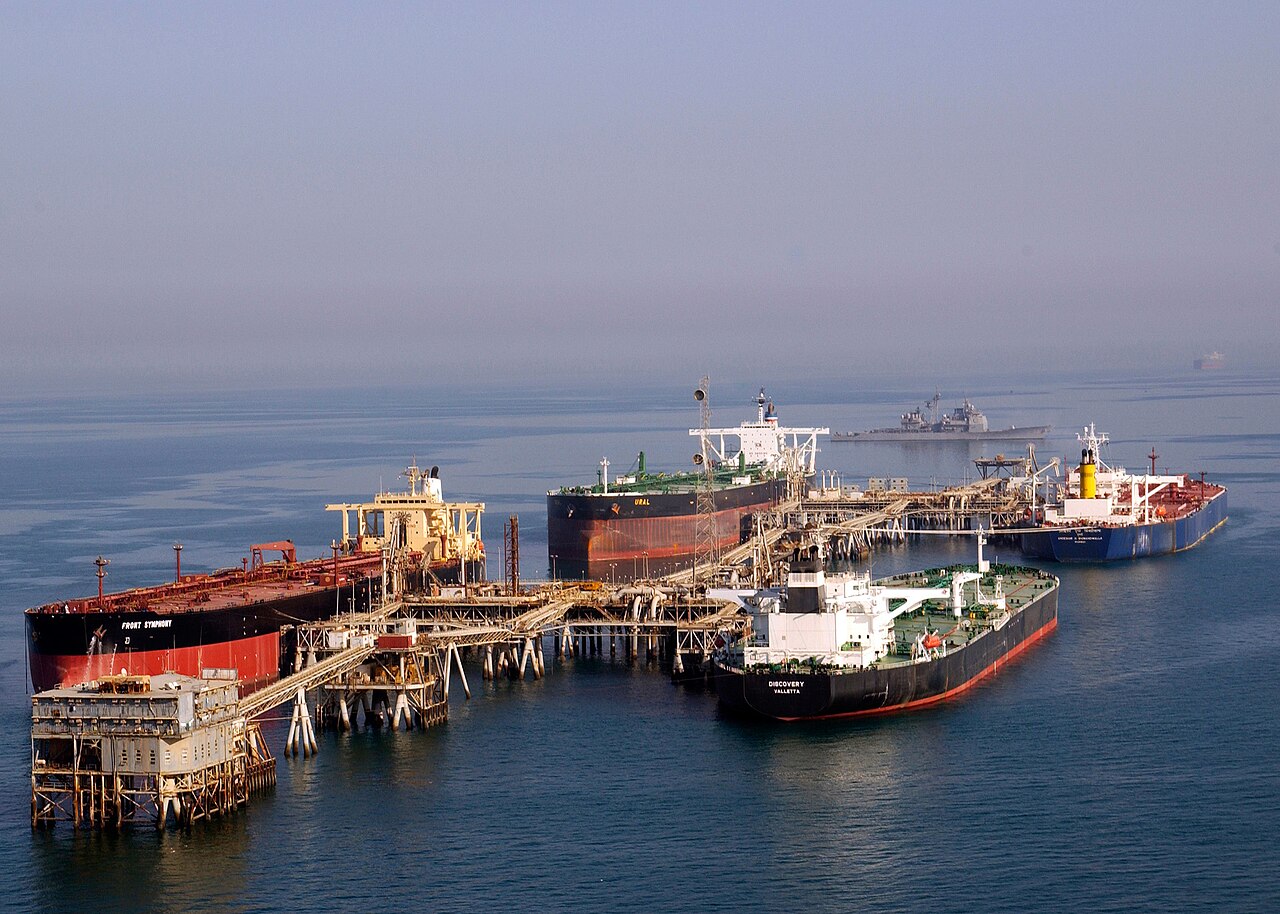
Iran has reportedly assembled around 14 tankers that it plans to send through the Strait of Hormuz toward China in a direct test of the American blockade, loading the vessels at Kharg Island, the country’s principal oil export terminal. Reporting on the plan indicates Washington has signaled it would not stand in the way of a confrontation, raising the stakes around whether Tehran will follow through on the convoy.
Iran’s deputy foreign minister has characterized the U.S. blockade as an act of war, while hardline factions within the government are pushing for the tanker convoy and threatening regional energy infrastructure, even though Tehran has not formally endorsed the operation. The uncertainty over whether the Kharg Island convoy will sail has left shipowners and charterers largely unwilling to commit vessels to the route, compounding the transit collapse already recorded by PortWatch.
Why it matters
The Strait of Hormuz normally carries roughly a fifth of global oil and a substantial share of liquefied natural gas shipments, making any sustained reduction in transits a direct threat to energy markets and shipping costs worldwide. A 40 percent drop in oil traffic, combined with rising Brent prices and a near-total collapse in daily transits on some days, signals that the chokepoint crisis is reshaping tanker routing, insurance pricing and charter rates well beyond the immediate conflict zone. A Kharg Island convoy attempting to break the blockade would mark a significant escalation, testing both Iran’s willingness to risk further losses and the durability of the U.S. naval posture in the Gulf.
Source: Al Jazeera