The Maritime and Port Authority of Singapore, CMA CGM Group and Singapore LNG Corporation signed a Memorandum of Understanding on October 14, 2026, to explore the supply and use of liquefied bio-methane as a marine fuel in the Port of Singapore, the world’s largest bunkering hub. The agreement was announced at the 24th Singapore International Bunkering Conference.
Under the deal, the three parties will exchange knowledge on certification, supply and use of liquefied bio-methane, examine how Singapore’s existing gas infrastructure could support it, and run pilot trials under real operating conditions. The MoU was signed by MPA Chief Executive Ang Wee Keong, CMA CGM Asia Pacific CEO Bo Wegener and SLNG CEO Leong Wei Hung.
Terms of the Agreement
Under the agreement, MPA will contribute regulatory and industry development experience, CMA CGM will bring shipping and logistics expertise, and SLNG will provide LNG infrastructure and technical capabilities. The three parties will also examine how sustainability attributes and greenhouse gas emission savings can be accounted for when bio-methane is blended with conventional natural gas in shared infrastructure, a key technical hurdle for scaling up the fuel.
SLNG has already been certified under the International Sustainability and Carbon Certification EU framework to handle liquefied bio-methane, making it one of the first LNG terminals in the region to receive that certification. Pilots and trials are planned to test supply and emissions-accounting approaches under actual operating conditions, with findings intended to inform development of bio-methane bunkering capabilities at the port.
Singapore’s Multi-Fuel Bunkering Push
The MoU builds on a series of regulatory moves by MPA to diversify Singapore’s bunkering mix beyond conventional fuel oil and LNG. The authority has previously called for expressions of interest on sea-based LNG reloading and e-methane and bio-methane supply, and in recent months granted LNG bunkering licenses to eight companies including ExxonMobil, Shell and PetroChina, running through August 2031. LNG is already established as a marine fuel in Singapore, and MPA said the partnership would examine how lower-emission variants could build on existing infrastructure and capabilities.
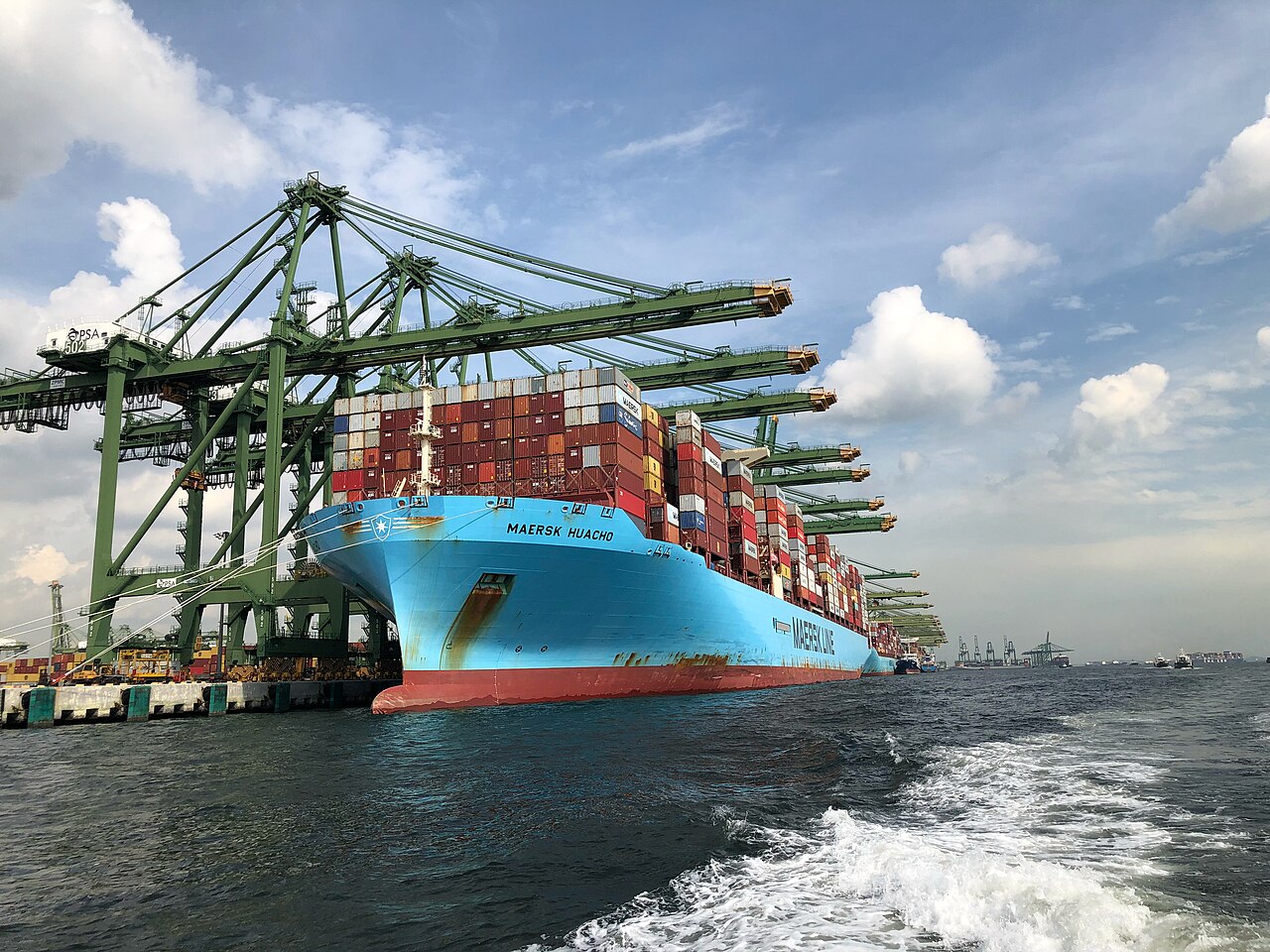
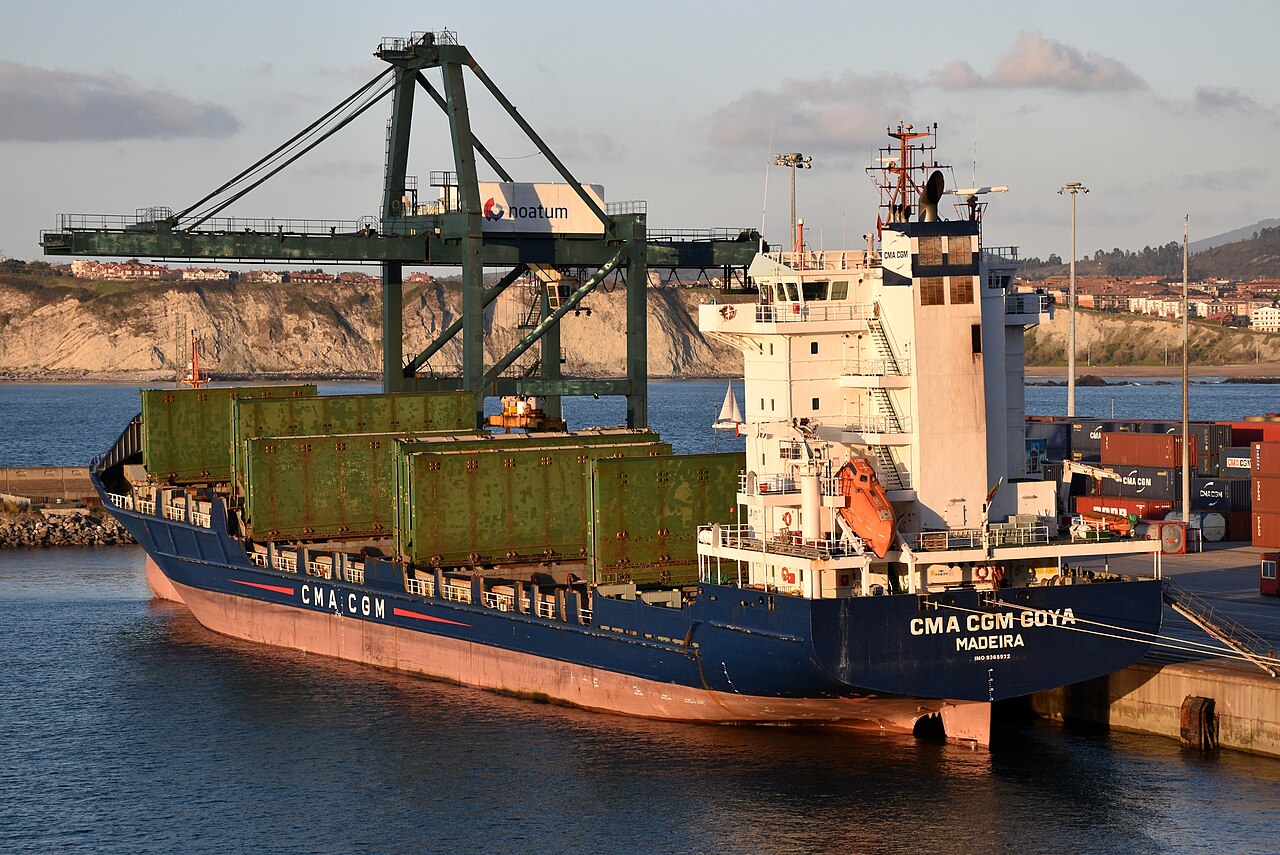
CMA CGM operates a large fleet of dual-fuel LNG container ships with more on order, giving the French carrier a direct commercial interest in securing lower-carbon drop-in fuel supply at one of its key Asian hub ports. Biomethane can be used as a drop-in substitute in LNG-fueled vessels without modification, offering shipowners a pathway to cut lifecycle emissions while continuing to use existing dual-fuel engine technology.
Market and Regulatory Context
Singapore has positioned itself as a proving ground for alternative marine fuels as shipping faces tightening International Maritime Organization emissions rules and the IMO’s forthcoming Net-Zero Framework. LNG bunker sales in the port rose sharply in recent years, and MPA has pushed licensees to demonstrate technical readiness to supply lower lifecycle-emissions fuels such as liquefied bio-methane and e-methane as a condition of their licenses.
The agreement comes as rival bunkering hubs in the Middle East and Northern Europe also expand low-carbon fuel infrastructure, intensifying competition for Singapore to retain its position as the world’s busiest bunkering port. No financial terms or timeline for commercial-scale bio-methane bunkering were disclosed in the announcement.
Why it matters
The MoU signals a concrete step by one of shipping’s largest fuel-supply hubs and a major container carrier to scale up low-carbon LNG alternatives ahead of tightening IMO decarbonization rules. Because bio-methane can be supplied through existing LNG infrastructure and used in current dual-fuel engines, successful trials could offer shipowners a faster, lower-cost emissions-reduction pathway than switching to entirely new fuels such as ammonia or methanol. The initiative also reinforces Singapore’s strategy to defend its position as the world’s top bunkering port amid growing competition from rival hubs investing in alternative marine fuels.
Source: Seatrade Maritime News