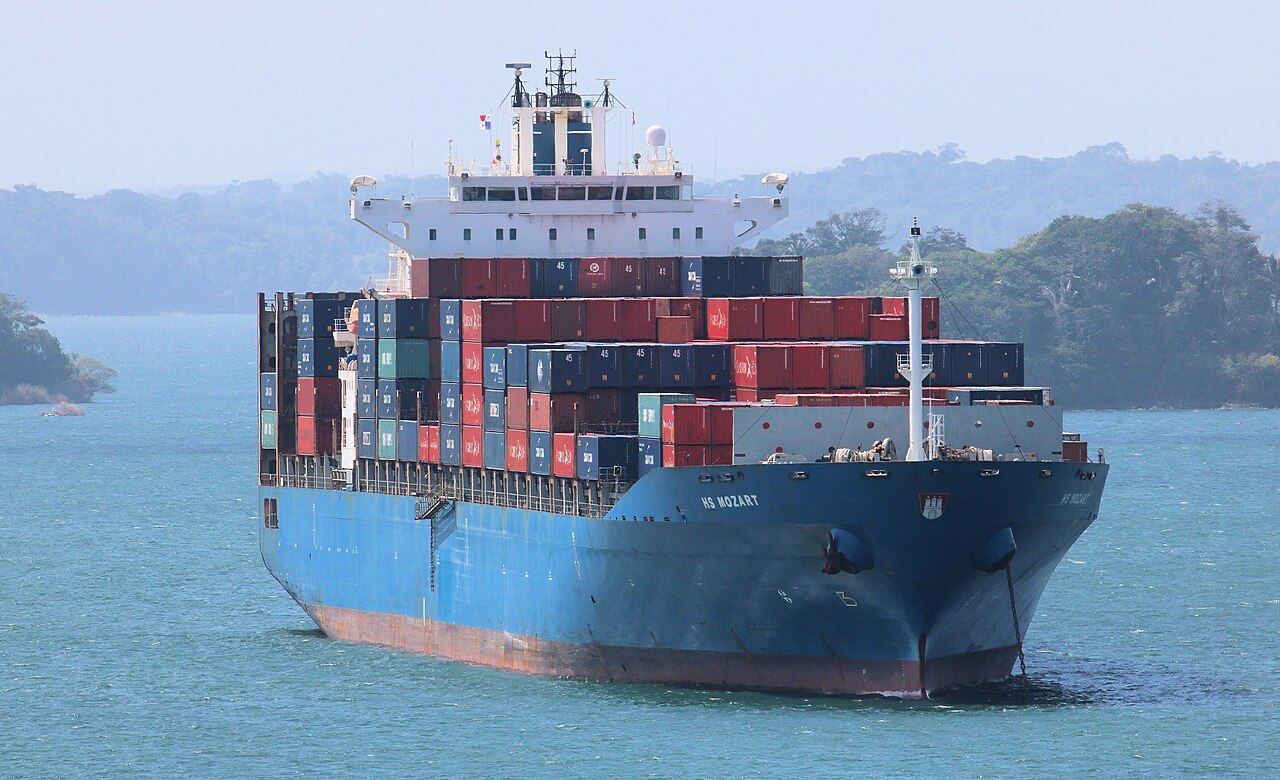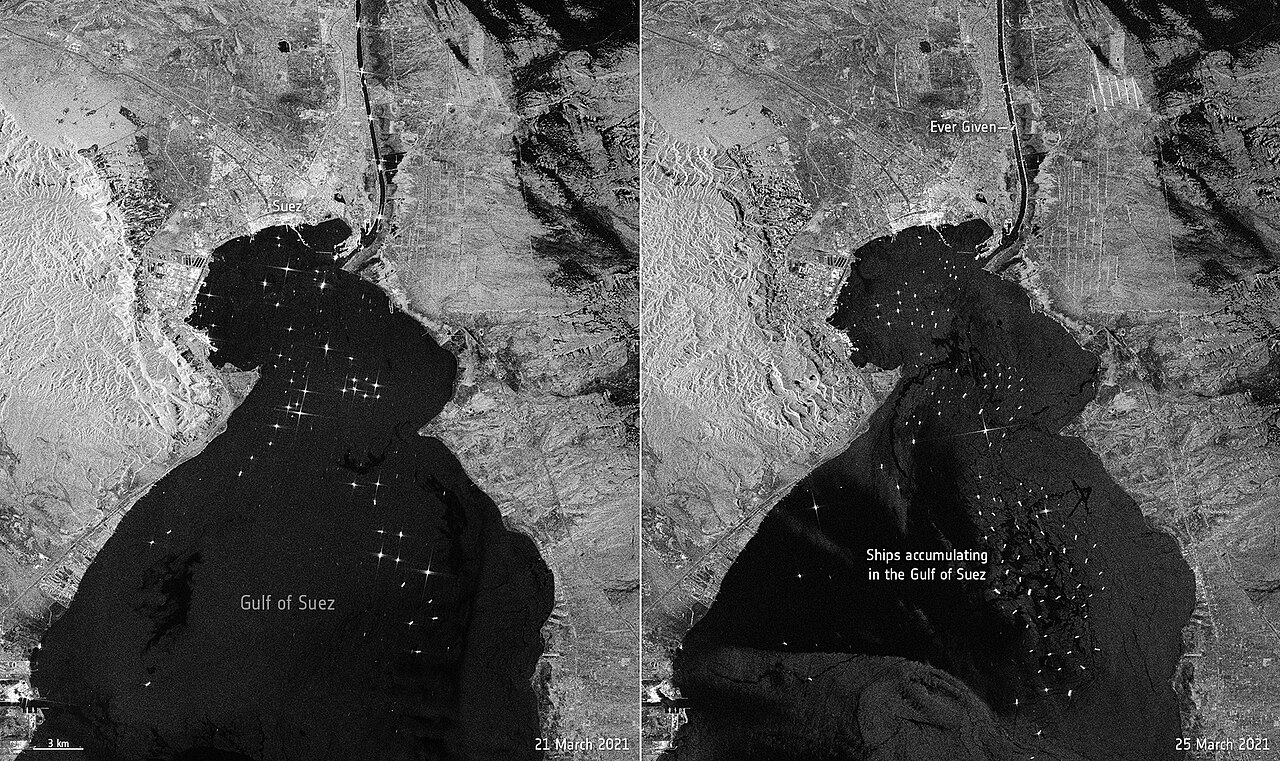
A tightening Panama Canal is once again forcing shipowners to weigh longer routes around South America, but marine insurer The Swedish Club has warned that Cape Horn and the Strait of Magellan are far from straightforward substitutes. In a new Member Alert, the Club said current Panama restrictions remain manageable for most trades and do not, on their own, justify a southern diversion, but it is concerned that Houthi developments around the Yemeni port of Mocha could make the Suez Canal alternative harder to use, leaving owners considering southern routes sooner than expected. The Panama Canal Authority has cut daily transit slots to 32 vessels as of September 15 — nine at the Neopanamax locks and 23 at the Panamax locks — down from an average of roughly 35 daily transits through June, while capping the maximum Neopanamax draft at 14.63 meters (48 feet) of Tropical Fresh Water. The Authority attributed the restrictions to a strengthening El Niño, with rainfall across the canal watershed running about 34% below the historical average from May through August and inflows roughly 44% below normal.
The Swedish Club cautioned that vessels using the Drake Passage can encounter severe weather, with a risk of cargo shift and prolonged strain on machinery, while the more sheltered Strait of Magellan involves narrow channels, strong currents and reliance on local navigational knowledge. The insurer added that suitable salvage assistance for a large vessel may not be readily available following a casualty along the southern Chilean coast, meaning arrangements should be agreed before a vessel arrives in the region. Caroline Pennings, the Club’s Chief Communications and Sustainability Officer, said geopolitical volatility, more frequent extreme weather events and the erosion of respect for the UN Convention on the Law of the Sea are putting established shipping routes under increasing pressure, warning that disruption risks becoming business as usual rather than a series of isolated incidents. The Panama Canal Authority has said it will continue monitoring rainfall, watershed inflows and Gatun Lake levels, with further operational changes possible if conditions do not improve heading into the 2027 dry season.
Source: gCaptain