This week’s maritime news was dominated by three intersecting stories: an intensifying and increasingly deadly crisis in the Strait of Hormuz, a critical two-week window at the International Maritime Organization to decide the fate of shipping’s proposed carbon-pricing framework, and fresh data confirming that Greek owners remain the world’s dominant shipowning force even as their exposure to the energy transition and chokepoint risk grows.
Beneath these headline themes, port congestion from Durban to Rotterdam, a nationwide Greek seafarers’ strike, and the Ukraine war’s expanding maritime reach into Libyan waters all pointed to a shipping industry absorbing simultaneous shocks on security, regulation and infrastructure fronts heading into the December MEPC 85 session.
Strait of Hormuz: From Disruption to Human Toll
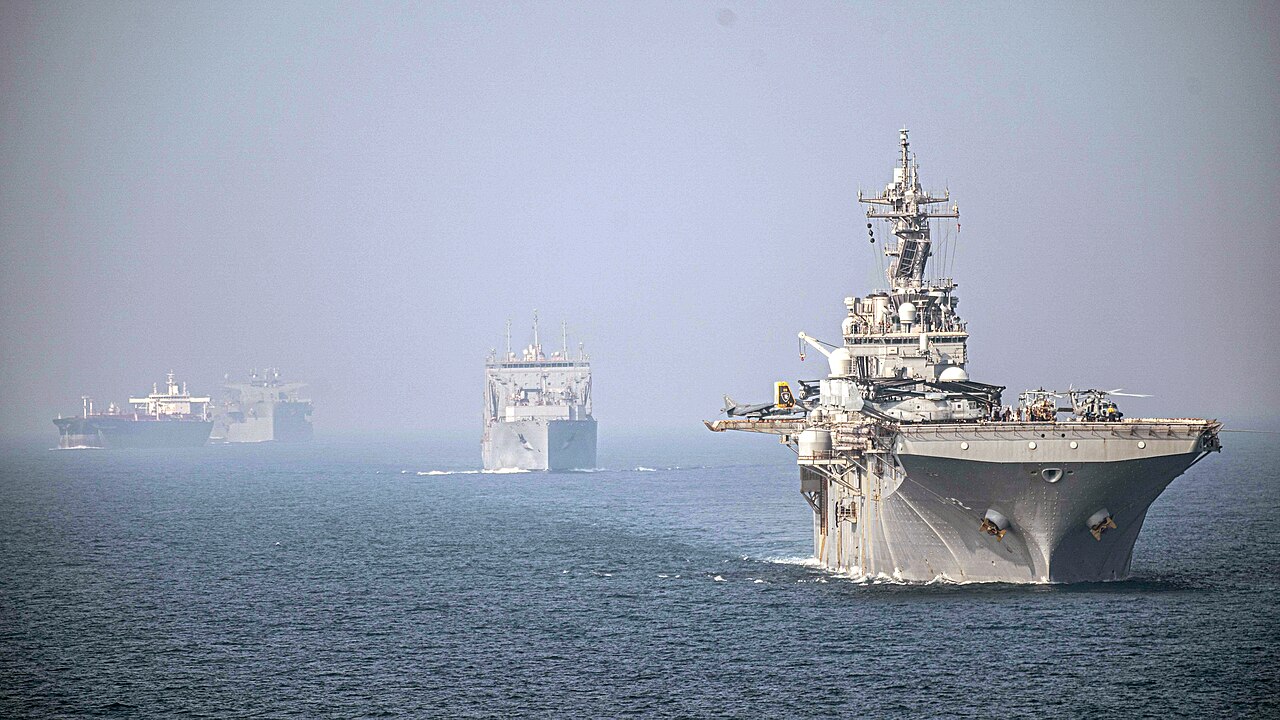
Reported attacks on shipping in and around the Strait of Hormuz climbed to their highest levels since February, with UKMTO logging 31 incidents in October and roughly 19 more by mid-November, cutting oil traffic through the waterway by around 40 percent. IMF PortWatch recorded as few as one or two transits on some November days against a pre-crisis baseline of 85, while Brent crude settled near $94-95 a barrel and Iran reportedly weighed sending a tanker convoy from Kharg Island to directly test the US naval blockade.
The crisis acquired a confirmed human cost this week when ADNOC L&S confirmed a Jordanian crew member’s death following a November 17 attack on one of its vessels, the first fatality disclosed from the latest wave of strikes. Washington’s enforcement continued in parallel, with CENTCOM disabling the Palau-flagged Pacific Archer after it attempted to run the blockade out of Bandar Abbas, the fifteenth such vessel publicly disclosed since April, drawing condemnation from the IMO’s chief.
Compounding the pressure, armed men hijacked the UAE-owned Marsa Virgo off Yemen’s Balhaf coast, the latest sign of resurgent Gulf of Aden piracy as traffic reroutes away from Houthi-threatened waters. UNCTAD’s annual review tied the broader slowdown directly to this disruption, forecasting zero growth in global seaborne trade for 2026 after tracking 141 attacks and 25 seafarer deaths since the conflict began, even as ships travel farther and burn more fuel rerouting around contested waters.
IMO’s Net-Zero Framework Reaches Its Decision Point
The IMO opened a critical two-week stretch of meetings in London that will determine whether the Net-Zero Framework, shipping’s first mandatory emissions-pricing mechanism, moves to adoption at a resumed session provisionally set for December 4. Procedural hurdles around MARPOL’s six-month notice requirement and a divided membership, with the EU backing the framework while Saudi Arabia, the UAE and the United States resist, leave the two-thirds majority needed for adoption uncertain after an earlier October 2025 vote fell short.
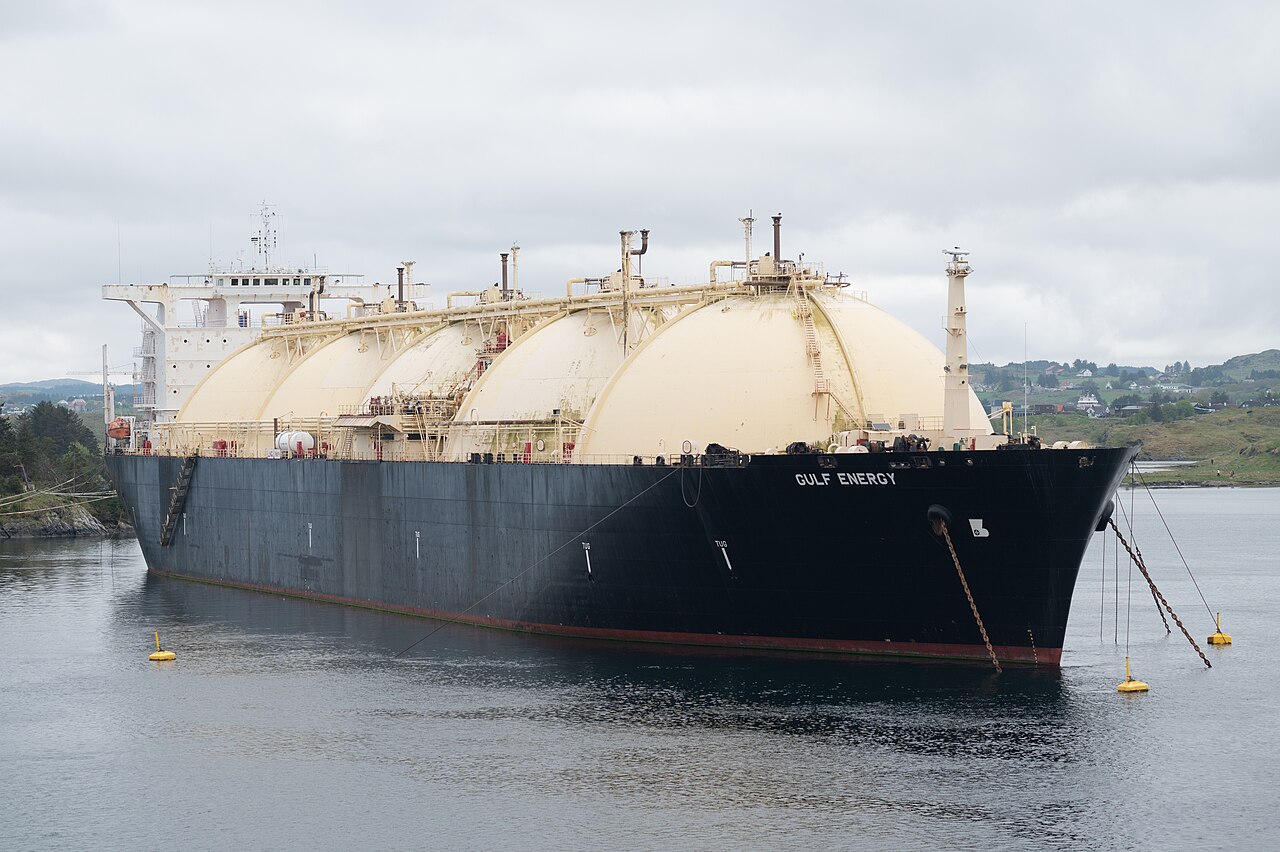
A new UCL-WWF Greece study added economic weight to the debate, finding Greek shipowners hold roughly $78 billion in assets exposed to the energy transition, double Japan’s exposure, given Greece’s 26 percent share of world tanker tonnage, 23 percent of LNG carriers and 22 percent of bulk carriers. The report argued the framework offers Greek owners regulatory clarity rather than a patchwork of regional rules, a message that lands amid friction between Greek shipowners and EU regulators over carbon revenues.
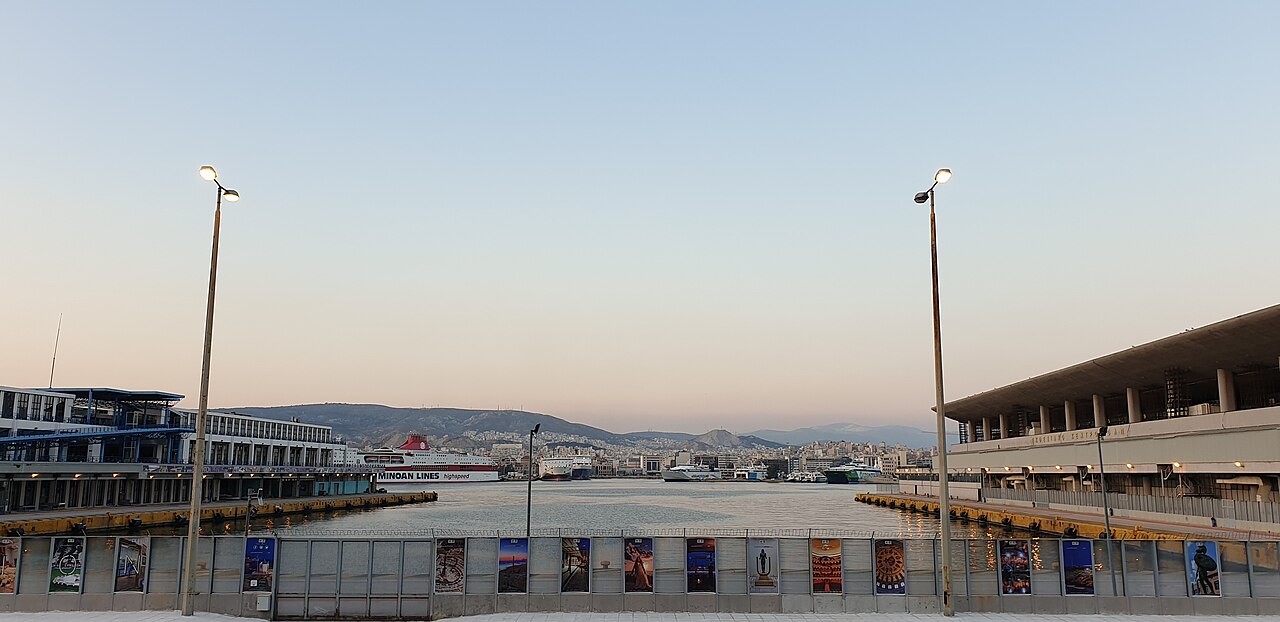
Infrastructure is not keeping pace with that fleet exposure. A Lloyd’s Register study found the Port of Piraeus lags Rotterdam, Antwerp-Bruges and Hamburg on alternative-fuel bunkering, with no completed LNG bunkering operation despite a legislative framework dating to 2019, even as Greek owners rank among the world’s largest buyers of dual-fuel newbuildings.
Greek Shipping’s Record Scale Meets a Wave of New Capital
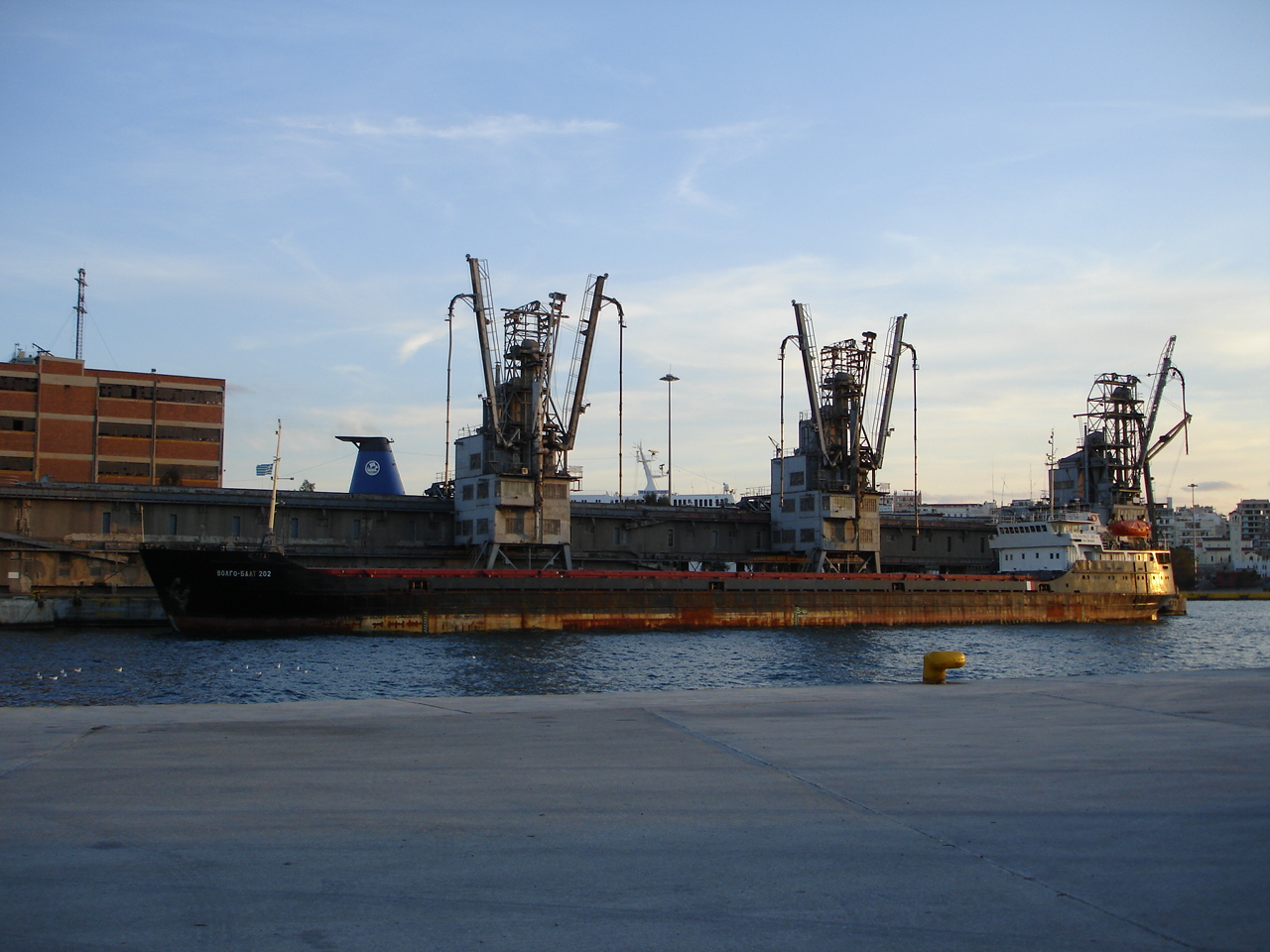
UNCTAD’s Review of Maritime Transport confirmed Greece retained its position as the world’s leading shipowning nation, controlling 15.8 percent of global capacity across 5,168 vessels, even as the Greek flag itself ranked only ninth, underscoring the long-standing gap between Greek ownership and Greek registration. That dominance is increasingly backed by domestic capital: Greek banks’ shipping loan portfolios jumped 37 percent to $23.6 billion in 2025, lifting Greece’s share of global ship finance to 7.8 percent, though S&P has flagged concentration risk given shipping’s outsized share of Greek bank lending.
Fleet renewal accelerated across multiple fronts. Thenamaris returned to the VLCC newbuilding market with two crude carriers at China’s New Times Shipbuilding, part of a surge in which Greek owners account for more than one in five newbuilding contracts placed worldwide this year. Elsewhere, Maersk confirmed a $2.9 billion order for 12 megamax 24,000 TEU dual-fuel containerships, its entry into the largest boxship category, while International Seaways completed its $370 million acquisition of Trøim-backed VLCC owner Bruton, adding four modern crude carriers amid thin orderbooks and an aging global tanker fleet.
Greek capital’s international reach was also on display as Silk SeARoad led a delegation to India to discuss GIFT City ship leasing and Indian flag registration, reflecting how established shipowning nations are engaging emerging registries even as they consolidate their lead at home.
Ports, Labor and the War’s Expanding Maritime Footprint
Port congestion compounded strain on global supply chains this week. A severe container backlog at Durban’s Gateway Terminal threatened South Africa’s citrus export season, with vessels waiting 14 to 20 days to berth, while in Europe the return of container lines to the Suez Canal route produced bunching at Rotterdam, Antwerp-Bruges and Felixstowe as carriers diverted UK-bound boxes to continental hubs. In Greece, seafarers’ unions staged a nationwide 24-hour strike over pay and safety demands, the latest in a recurring pattern of 2026 labor action, even as Athens advanced a pilot rail corridor through Alexandroupolis to move Ukrainian grain around Black Sea and Danube disruptions.
The Ukraine war’s maritime reach extended further this week when suspected Ukrainian drone strikes hit a Russian corvette and a Maltese-flagged ship off Benghazi, prompting UN concern that Libya risks becoming an active maritime front. Separately, Russia reported its Northern Sea Route surpassed 40 million tonnes of cargo for the first time, while the US Coast Guard’s commissioning of its 64th Sentinel-class cutter alongside a 30-year Navy frigate plan pointed to steady, long-term Western shipbuilding commitments running in parallel to these disruptions.
What to watch next week
The coming days bring the decisive phase of the IMO’s climate deliberations, with MEPC 85 running November 30 to December 3 and a resumed extraordinary session provisionally set for December 4 to vote on the Net-Zero Framework’s adoption; procedural timing constraints and the divided positions of the US, Saudi Arabia, the UAE and the EU leave the outcome genuinely uncertain. In the Gulf, watch whether Iran follows through on its reported plan to send a tanker convoy from Kharg Island toward China in direct defiance of the US blockade, a move that would mark a significant escalation after a week that already produced the campaign’s first confirmed fatality and a fifteenth disabled vessel.
On infrastructure, continued monitoring of the Durban backlog and northern European port congestion will show whether Transnet’s emergency measures and carriers’ Suez recovery plans can clear bottlenecks before peak pre-holiday shipping volumes intensify further.